

TL;DR Summary:
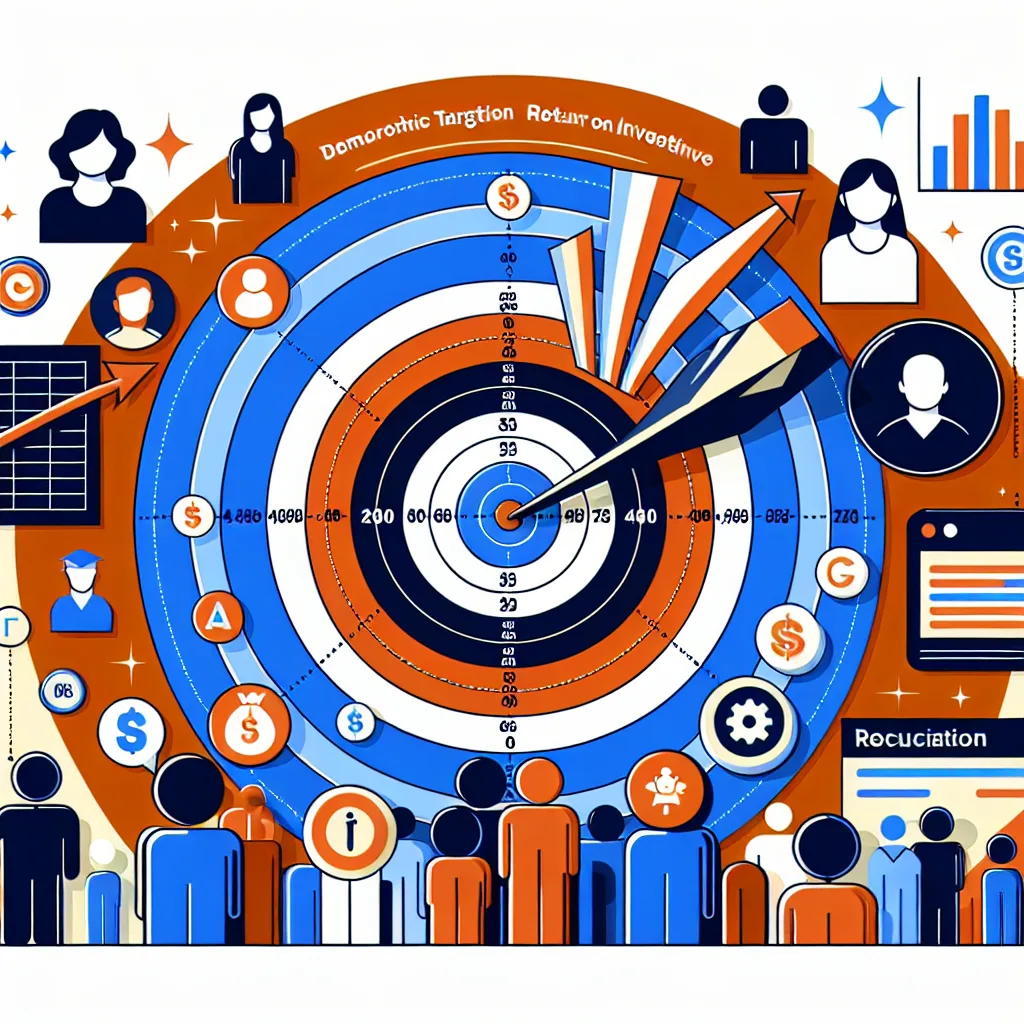
Evolution of Demographic Targeting: Google Ads started with basic filters like age and gender but now offers advanced options including detailed demographics such as parental status, education, and life events for more precise audience segmentation.Advanced Features and Exclusions: Advertisers can use sophisticated tools like custom segments, life event targeting, and demographic exclusions to refine campaigns, optimize budget, and avoid wasting spend on unlikely converters.Performance Optimization: Effective demographic targeting involves layering multiple factors, continuous monitoring of performance metrics by demographic segments, and leveraging AI-driven features like optimized targeting and similar audiences to find valuable prospects.Future Trends and Challenges: Privacy regulations and AI advancements are shaping the evolution of demographic targeting, requiring advertisers to build first-party data strategies and balance targeting precision with reach for maximum campaign impact.Understanding Google Ads Demographic Targeting: A Deep Dive Into Precision Marketing
When Google Ads initially rolled out demographic targeting, it offered basic filters like age and gender. Now, the platform has evolved into a sophisticated system that allows marketers to pinpoint exact audience segments with remarkable accuracy. This transformation has created both opportunities and challenges for those looking to maximize their advertising impact.
How Demographic Targeting Actually Works
At its core, demographic targeting functions as a filter system that helps advertisers reach specific audience segments. The platform analyzes user data across Google properties, including search patterns, YouTube viewing habits, and website interactions, to build detailed demographic profiles.
These profiles encompass traditional metrics like age, gender, and household income, but also extend to more nuanced categories such as parental status, education level, and even life events. This depth of information enables advertisers to create highly targeted campaigns that speak directly to their intended audience.
Advanced Targeting Features You Might Have Missed
Beyond basic demographics, Google Ads offers several sophisticated targeting options that often go underutilized. Custom segments allow advertisers to define audiences based on specific behaviors and interests. For instance, a luxury car dealer might target users who’ve searched for high-end vehicles or visited premium automotive websites.
Life event targeting represents another powerful tool. This feature identifies users going through significant life changes – such as getting married, buying a home, or starting a new job. These transitions often trigger specific purchasing behaviors, making them valuable targeting opportunities.
Mastering Demographic Exclusions
While much attention focuses on who to target, equally important is understanding who to exclude. Demographic exclusions help preserve ad spend by preventing impressions on unlikely converters. For example, a college textbook retailer might exclude users over 65 to avoid wasting budget on demographics unlikely to purchase.
Smart exclusions require regular analysis of campaign data to identify underperforming segments. This process often reveals surprising insights about which demographics actually drive results versus those that merely consume ad budget.
Layering Demographics for Enhanced Precision
Combining multiple demographic factors creates highly specific audience segments. This layering technique allows advertisers to target, for instance, high-income professionals between 35-44 who are homeowners and interested in luxury travel. The key lies in finding the sweet spot between specificity and reach.
Performance Analysis and Optimization Strategies
Success with demographic targeting requires consistent monitoring and adjustment. Google Ads provides detailed performance metrics broken down by demographic segments, enabling advertisers to identify which combinations deliver the best results.
Regular analysis reveals patterns in conversion rates across different demographic groups. These insights guide optimization decisions, helping allocate budget more effectively toward high-performing segments while reducing exposure to underperforming ones.
Leveraging AI and Machine Learning in Targeting
Google’s machine learning capabilities have transformed demographic targeting through features like optimized targeting and similar audiences. These tools analyze successful conversions and automatically adjust targeting parameters to find similar users, often discovering valuable audience segments that might have been overlooked.
Future-Proofing Your Targeting Strategy
As privacy concerns continue to reshape digital advertising, demographic targeting must evolve. Smart advertisers are already preparing by building first-party data strategies and exploring new ways to identify and reach valuable audience segments while respecting user privacy.
The integration of machine learning with demographic data points toward increasingly sophisticated targeting capabilities. This evolution suggests a future where campaigns can automatically adjust to changing consumer behaviors and market conditions.
The Impact of Life Events on Campaign Performance
Life events represent pivotal moments when consumer behaviors and needs shift dramatically. Understanding these transitions helps advertisers position their messages at exactly the right time. Whether it’s a new job, moving to a new city, or starting a family, these events create unique opportunities for relevant advertising.
Balancing Reach and Precision
While precise targeting can improve campaign efficiency, over-restriction can limit growth potential. Finding the right balance requires testing different targeting combinations and carefully monitoring results. Sometimes, slightly broader targeting with carefully crafted messaging can outperform extremely narrow demographic filters.
How will the evolution of privacy regulations and artificial intelligence reshape demographic targeting in the coming years, and what steps can advertisers take now to stay ahead of these changes?















