TL;DR Summary:
Publishers Rebel Against Google: One-third of publishers plan to block Google AI Overviews as traffic and revenue plummet from AI summaries that keep users from clicking through to original sites.Massive Traffic Losses: Click-through rates drop up to 79 percent, with affiliate revenue down over one-third, prompting lawsuits like Penske Media's against Google.UK Rules Shift Power: CMA proposes opt-outs for publishers to control content use without losing search rankings, exposing Google's dominance over dependent sites.Publishers Fight Back: The Battle Over AI-Generated Search Results
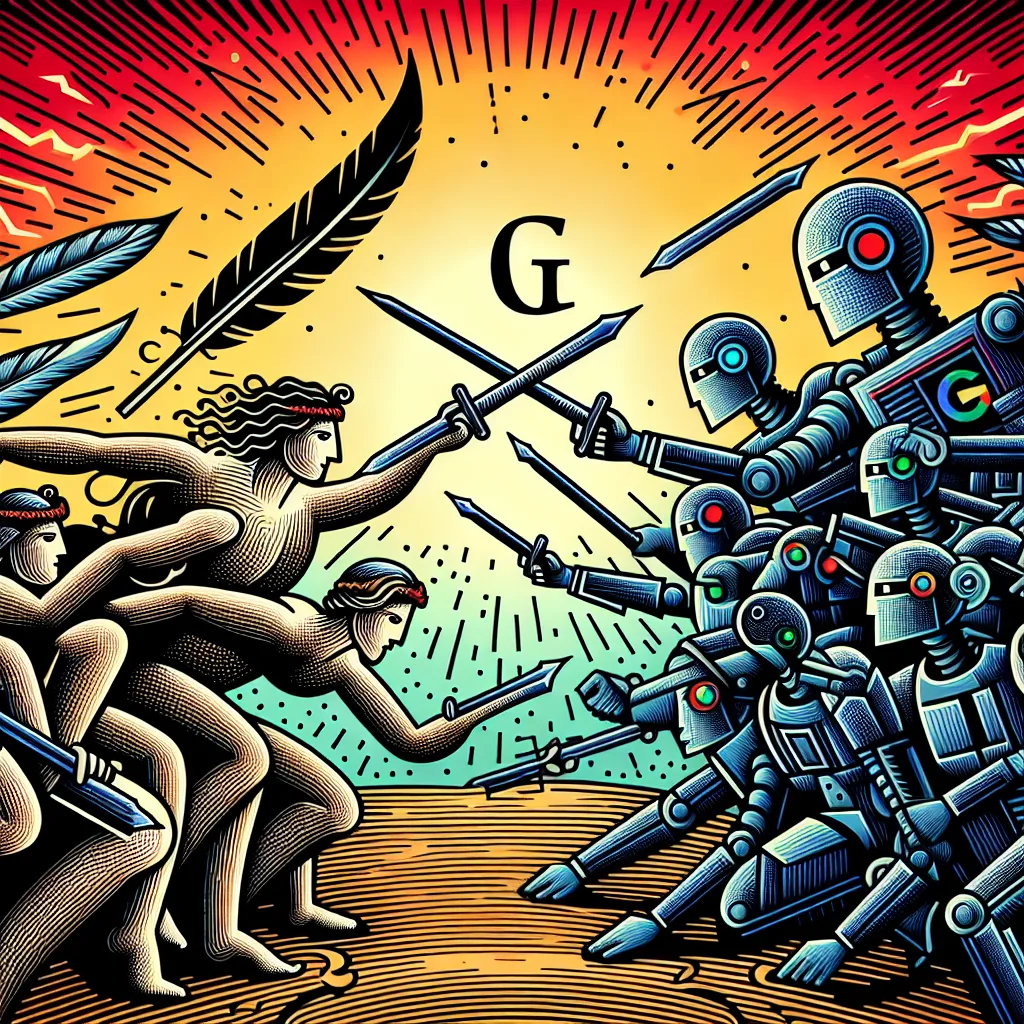
The war between publishers and Google just got personal. One-third of publishers now plan to block Google AI Overviews from their websites. This bold move comes as news sites lose traffic and revenue to Google’s AI-powered search summaries.
Why Publishers Want to Block Google AI Overviews
Google’s AI Overviews show up at the top of search results. They answer questions using content from websites. But here’s the problem: people don’t need to click through to the original sites anymore.
Penske Media owns Rolling Stone and Variety. They filed the first major US lawsuit against Google this month. Their numbers tell a scary story. Twenty percent of searches now trigger AI Overviews. Their affiliate revenue dropped over one-third since late last year.
Publishers report click-through drops up to 79%. That means fewer visitors and less ad revenue. For news organizations already struggling to survive, this feels like a death blow.
UK Regulator Steps In With New Rules
The UK’s Competition and Markets Authority (CMA) sees the problem. They propose new rules that would let publishers block Google AI Overviews without hurting their search rankings.
Right now, publishers face an impossible choice. Block Google and lose search traffic. Or allow Google to use their content and lose clicks to AI summaries.
The CMA wants Google to offer site-level and page-level opt-outs. Publishers would control which content gets used in AI summaries. They also want better attribution when Google does use publisher content.
Google says they’re exploring these controls. But many publishers don’t trust Google to follow through.
The Double Standard Problem
Here’s something interesting: 79% of publishers already block rival AI training bots. They use robots.txt files to stop companies like OpenAI from scraping their content.
But most hesitate to block Google. Why? They depend on Google Search for traffic. It’s like being trapped in an abusive relationship. You know it’s bad, but you’re scared to leave.
This shows Google’s massive power over the internet. Publishers feel they have no choice but to play by Google’s rules.
What This Means for Online Marketing
If you run a website or do digital marketing, pay attention. This fight affects everyone who creates content online.
When publishers block Google AI Overviews, search results change. You might see different types of content ranking higher. Some websites might get more traffic as AI summaries disappear.
Tools like SE Ranking help you track these changes. You need to monitor your search rankings as this battle unfolds. What works today might not work tomorrow.
The Future of Search and Content
This conflict highlights a bigger issue. AI is changing how people consume information. Traditional websites compete with AI-generated summaries for attention.
Publishers argue they deserve compensation when AI uses their content. Google argues they send traffic to websites through search results.
Both sides have valid points. But the current system clearly isn’t working for content creators.
The outcome of this battle will shape the internet’s future. Will publishers successfully push back against AI summaries? Or will Google’s dominance prove too strong to challenge?
Your website’s success depends on understanding these changes. Are you tracking how AI Overviews affect your search traffic with tools like SE Ranking_Dealify?