TL;DR Summary:
Hook Strategy: Grab attention in the first two to three seconds with something that makes users stop scrolling, such as a bold statement, relatable problem, or surprising fact that creates curiosity and emotional connection.Multi-Sensory Elements: Combine on-screen text, visuals, and voiceover to reinforce your message and cater to different user preferences, especially since many users watch with sound off.Clear Call to Action: Include a direct CTA that tells users exactly what to do next, whether it's clicking a link, commenting, or making a purchase, because without it people will simply continue scrolling past your content.Google Search Console AI Visibility Reporting: What SEOs Need to Know About Recent Updates
Google’s John Mueller sparked excitement in the SEO community with comments about potential AI visibility features. Here’s what entrepreneurs and marketers need to understand about these developments.
Mueller’s Latest Comments on AI Search Data
On January 30, John Mueller made an interesting statement about Google Search Console AI Visibility Reporting. He suggested Google might add these features in the future. His reasoning was simple: few online decisions stay permanent.
The SEO world took notice immediately. Many professionals interpreted his words as a strong hint about upcoming features. They hoped Google would soon provide separate data for AI search performance.
However, Mueller quickly walked back these expectations. On February 2, he clarified his earlier statement. He emphasized it was not a hint about future plans. Instead, he described it as a general comment about possibilities.
Why SEOs Want Separate AI Search Metrics
The demand for Google Search Console AI Visibility Reporting comes from a real business need. Right now, Google lumps AI search data together with regular web search results. This creates blind spots for marketers tracking their performance.
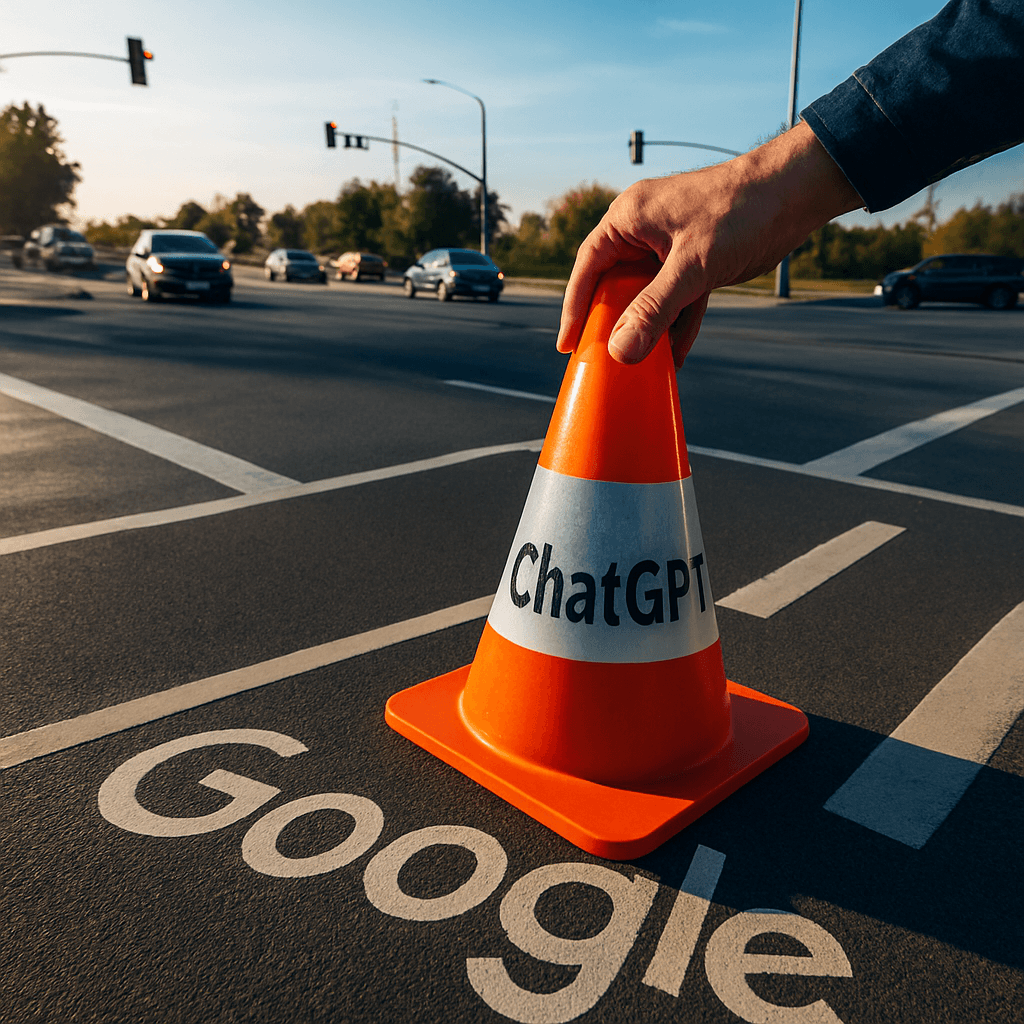
AI search engines like ChatGPT and Perplexity work differently than traditional search. They cite sources and provide direct answers. Your content might get mentioned without generating clicks to your website.
This shift changes how you measure success. Traditional metrics like click-through rates don’t tell the whole story anymore. You need to track citations, mentions, and brand visibility across AI platforms.
Current Alternatives for AI Performance Tracking
While waiting for official Google features, smart marketers are finding other solutions. Bing offers some hope with their experimental AI Performance report. However, this tool has limitations. It doesn’t provide click data, which restricts its usefulness.
Third-party tools fill this gap better. Semrush offers an AI Visibility Toolkit that tracks your brand across multiple AI platforms. These tools monitor citations and mentions when AI engines reference your content.
For budget-conscious entrepreneurs, tools like Keyword.com_AppSumo provide affordable alternatives for tracking search performance. While not specifically designed for AI search, these platforms help you understand your overall visibility trends.
What This Means for Your Marketing Strategy
Don’t wait for Google Search Console AI Visibility Reporting to arrive. Start preparing your content strategy now for the AI search era. Focus on creating comprehensive, authoritative content that AI engines want to cite.
Build your brand mentions and establish topical authority in your niche. When AI tools look for reliable sources, you want your content to appear first. This requires consistent publishing and strong expertise signals.
Monitor your brand mentions across different platforms. Set up Google Alerts and use social listening tools. Track when AI platforms reference your business or content.
Preparing for the Future of AI Search Tracking
The SEO industry continues evolving rapidly. AI search represents a major shift in how people find information online. Your marketing strategy needs to adapt accordingly.
Focus on creating content that serves both traditional search and AI platforms. Write comprehensive guides that answer complete questions. Provide clear, factual information that AI tools trust.
Build relationships with industry publications and authoritative websites. These connections increase your chances of getting cited by AI engines. Quality backlinks remain important for establishing credibility.
Consider investing in tools that help you track performance across multiple channels. Understanding your complete digital footprint becomes increasingly important as search behavior changes.
Are you ready to track your brand’s AI visibility before Google rolls out official reporting features?