TL;DR Summary:
The Growing Gap Between Google Rankings and AI Visibility: Only about 62% of brands ranking on Google's first page are mentioned in ChatGPT responses, revealing a significant disconnect between traditional SEO success and visibility in AI platforms.Differences in Platform Algorithms: Google prioritizes relevance, authority, and backlinks, while AI platforms like ChatGPT focus on conversational responses and synthesized insights, leading to varied visibility outcomes.Sector-Specific Visibility Variations: Some industries, such as online education, maintain higher visibility across both Google and AI platforms, while others, like hotel booking, show much lower alignment.Need for Generative AI Optimization: Businesses must develop strategies beyond traditional SEO, focusing on clear, authoritative content, semantic clarity, and cross-platform accessibility to ensure visibility in an AI-driven landscape.The Growing Gap Between Google Rankings and AI Visibility: What You Need to Know
The digital visibility landscape is experiencing a significant shift as new research reveals a surprising disconnect between Google search rankings and visibility in AI platforms like ChatGPT. This revelation challenges long-held assumptions about how businesses and brands maintain their online presence.
Understanding the Visibility Gap
Recent studies show that only 62% of brands ranking on Google’s first page receive mentions in ChatGPT responses. This stark difference highlights how traditional SEO methods, while still crucial, no longer guarantee comprehensive visibility across all platforms where potential customers seek information.
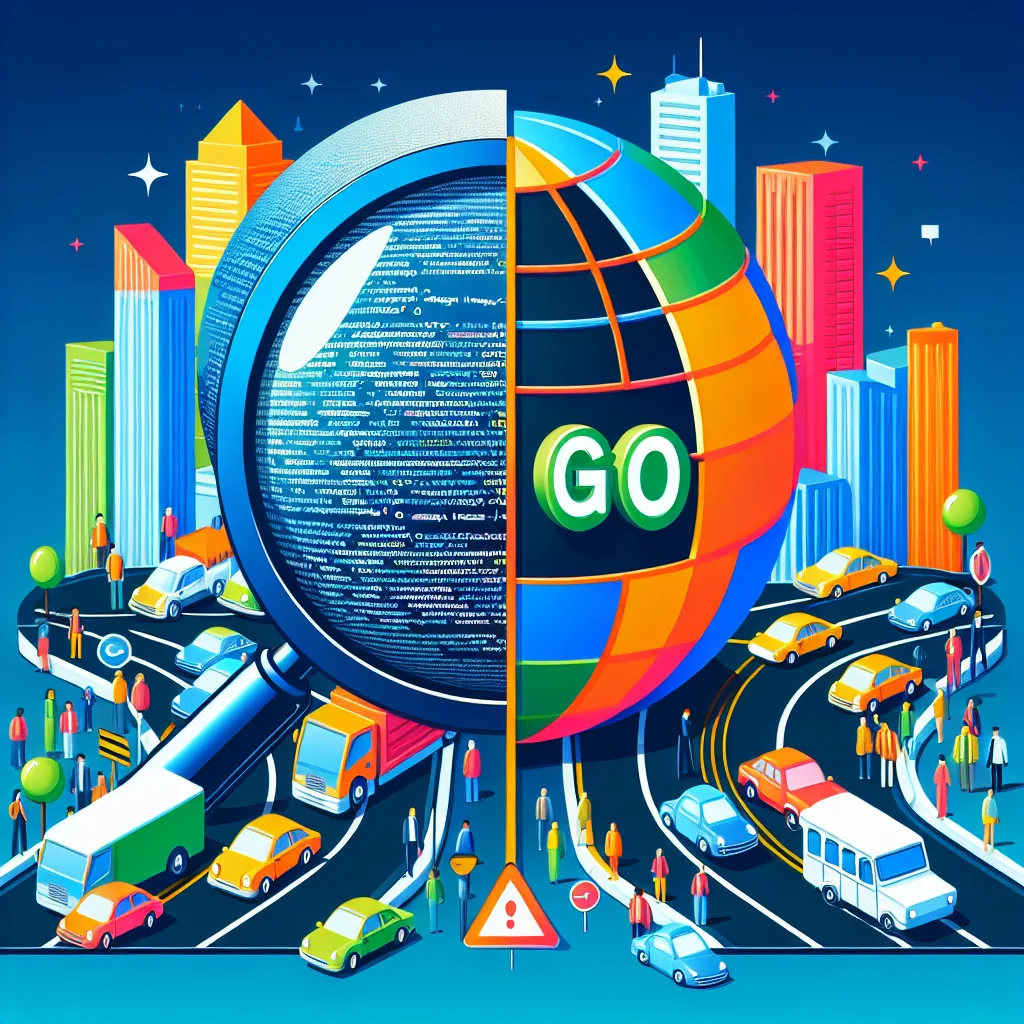
The underlying cause stems from fundamental differences in how these platforms process and present information. Google’s algorithm focuses on traditional metrics like relevance, authority, and backlinks. Meanwhile, ChatGPT takes a more nuanced approach, emphasizing conversational responses and synthesized insights rather than direct search results.
The Numbers Behind AI Visibility
The correlation between Google rankings and ChatGPT mentions is surprisingly low – just 0.034 with browsing enabled. Even more telling, enabling web browsing in ChatGPT only improves this overlap by 1%, indicating that recent data access isn’t the primary factor in this disparity.
Different sectors show varying levels of alignment between platforms. Online education platforms like Coursera achieve higher visibility (86-87%) across both Google and ChatGPT, while other sectors like hotel booking platforms hover around 58%. These variations suggest that certain industries may need to adapt their strategies more significantly than others.
Developing a Generative AI Optimization Strategy
As this divide becomes more apparent, businesses need to develop a comprehensive generative AI optimization strategy that goes beyond traditional SEO practices. This approach requires understanding how AI platforms process and prioritize information differently from search engines.
Key elements of an effective generative AI optimization strategy include:
- Creating clear, authoritative content that directly addresses user queries
- Structuring information in ways that align with AI’s natural language processing
- Building credibility through multiple channels beyond traditional backlinks
- Ensuring content accessibility across various AI platforms
The Evolution of Content Strategy
The emergence of AI platforms as information gatekeepers requires a fundamental shift in content creation approaches. While SEO focuses on attracting clicks through search results, AI platforms act more like decision coaches, directly recommending solutions to user queries.
This shift demands content that:
- Provides direct, actionable insights
- Maintains semantic clarity
- Establishes authority through context
- Integrates seamlessly with AI tools
Measuring Success in an AI-Driven World
Traditional metrics like SERP rankings no longer tell the complete story. A robust generative AI optimization strategy must incorporate new measurement approaches, including:
- AI mention frequency
- Conversational engagement metrics
- Traffic from AI-driven interactions
- Cross-platform visibility scores
Future-Proofing Digital Presence
The growing importance of AI platforms suggests that future success requires a dual approach: maintaining strong search engine rankings while optimizing for AI visibility. This means creating content that serves both human readers and AI systems effectively.
Organizations implementing a comprehensive generative AI optimization strategy now will be better positioned to maintain visibility as these platforms continue evolving. The key lies in understanding and adapting to how AI processes and presents information to users.
Strategic Implications for Digital Growth
The disconnect between search rankings and AI visibility presents both challenges and opportunities. Success requires balancing traditional SEO practices with innovative approaches to AI optimization, ensuring content remains visible and valuable across all platforms.
As AI continues reshaping how people discover and consume information, one question becomes increasingly important: How will businesses adapt their content strategies when AI not only influences but potentially controls the primary pathways to digital discovery?