

TL;DR Summary:
Google AI Search Colored Pins Feature Google is testing colored map pins in AI Mode for location-based queries, using colors like red for restaurants and blue for attractions, with a legend for instant categorization.Improved Layout and Animations Maps now appear at the top of results for better spatial context, featuring a "dancing pin" animation to show processing and maintain user engagement.Benefits for Users and Cognitive Load Color coding reduces mental effort in multi-category searches like "date night options," providing quick visual overviews instead of clicking through pins.Business and Future Implications Businesses need accurate Google My Business categories for proper pin grouping; future enhancements may include dynamic filtering and personalization.Google’s latest search experiment might seem like a small visual tweak, but it represents something much bigger happening in the world of AI-powered search. The company is quietly testing google ai search colored pins in select user searches, and this seemingly minor change could reshape how we interact with location-based search results.
How Google AI Search Colored Pins Actually Work
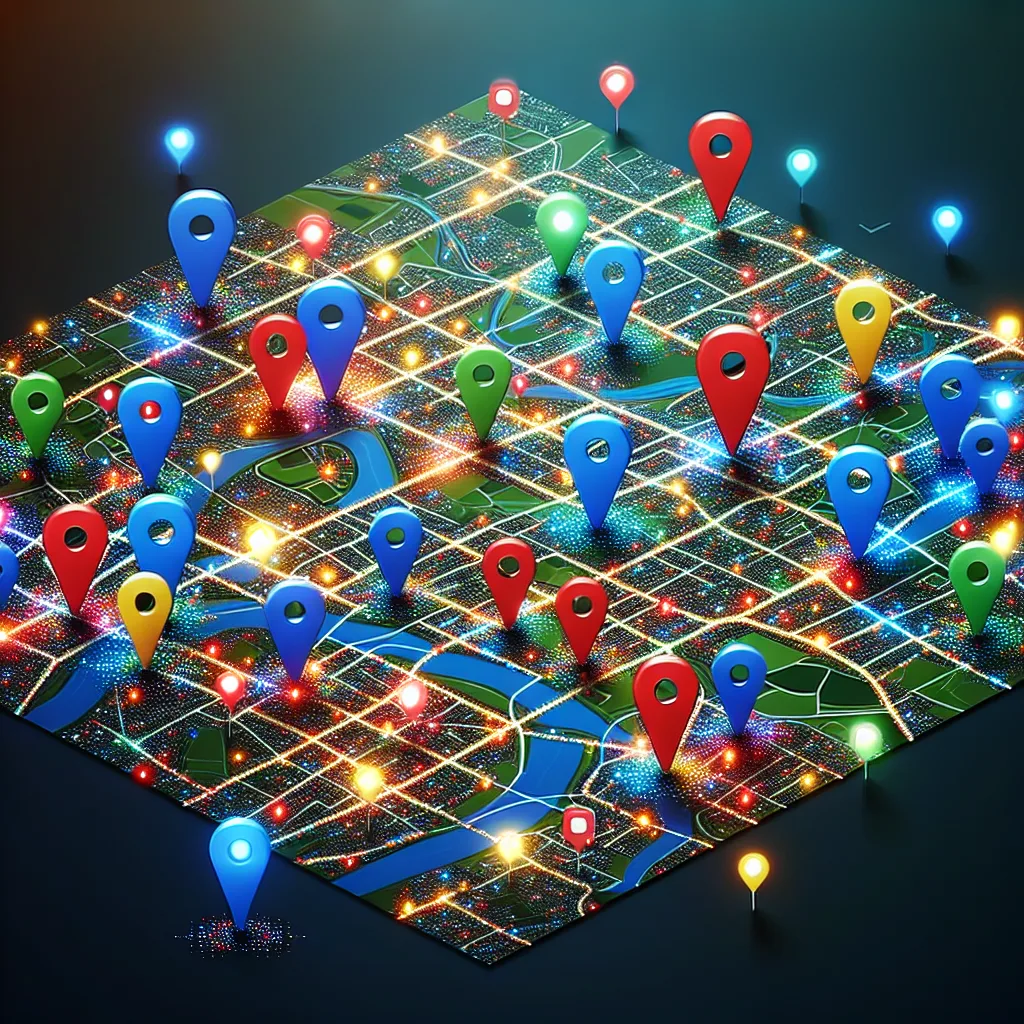
When you trigger Google’s AI Mode with a location-based query, you might notice something different if you’re part of the test group. Instead of the usual identical map pins, you’ll see a rainbow of colored markers, each representing a specific category of business or location. Red pins might highlight restaurants, blue could indicate tourist attractions, yellow might mark hotels, and green could represent parks or recreational areas.
The real genius lies in the accompanying legend that appears below the map. This visual key removes any guesswork, allowing users to instantly understand what each color represents without having to click through individual markers or scan lengthy text descriptions.
Consider searching for “weekend activities downtown” and immediately seeing entertainment venues in one color, dining options in another, and shopping areas in a third. This visual categorization transforms what used to be a time-consuming process of elimination into an instant overview of your options.
The Strategic Positioning of Visual Search Elements
Google isn’t just changing colors—they’re rethinking the entire layout of AI-generated search results. Maps that previously appeared toward the bottom of AI responses are now being tested at the top, giving geographical context priority over text-based information.
This repositioning reflects how people naturally approach location-based decisions. Most of us want to see where things are before diving into details about what they offer. By leading with visual information, Google acknowledges that spatial understanding often comes before feature comparison.
There’s also an engaging “dancing pin” animation that appears while the AI processes your search. While this might seem like unnecessary flair, it serves a practical purpose by indicating that the system is actively working on your query and helps maintain engagement during processing time.
Why Location Search Visualization Matters More Than Ever
Location-based queries represent a massive portion of all search activity, particularly on mobile devices where immediate, actionable information is crucial. When someone searches for nearby services while standing on a street corner, every second of processing time matters.
The google ai search colored pins feature addresses a fundamental challenge in information processing: cognitive load. When presented with multiple similar-looking pins on a map, users must mentally categorize each option, remember which ones align with their needs, and then make comparisons. Color coding eliminates this mental overhead by providing instant visual classification.
This improvement becomes even more significant when dealing with complex, multi-intent searches. Someone looking for “date night options” might want to see restaurants, theaters, and bars all at once, but clearly differentiated. Traditional map interfaces require clicking through individual pins to understand what each location offers, while colored pins communicate this information immediately.
Business Implications of Visual Search Evolution
For businesses operating in local markets, this development signals a shift in how visibility and differentiation work in search results. Previously, standing out in map-based results largely depended on factors like review scores, distance from the searcher, and traditional SEO signals. Now, visual categorization adds another layer to consider.
The google ai search colored pins system means your business will be grouped visually with direct competitors in ways that weren’t as obvious before. A restaurant will immediately appear alongside other restaurants through color coding, making category-based comparison more straightforward for users.
This change also emphasizes the growing importance of accurate business category classification in Google My Business profiles. If Google’s AI relies on business categories to assign pin colors, ensuring your business is properly categorized becomes crucial for appearing in the right visual grouping.
Preparing for AI-Enhanced Local Search Features
The colored pins experiment hints at broader changes coming to AI-powered search interfaces. As generative AI becomes more sophisticated, we’re likely to see increasingly rich, multi-layered presentations of search results that combine text, visuals, and interactive elements.
Smart businesses should start thinking beyond traditional text-based optimization strategies. While keyword relevance and content quality remain important, visual presentation and user experience elements are becoming equally crucial for capturing attention in AI-generated results.
This shift suggests several areas worth monitoring:
Visual consistency across all online business profiles becomes more important when your business appears in color-coded map results. The visual story your business tells should align with how users will encounter it through AI search interfaces.
Category optimization takes on new significance when pin colors depend on accurate business classification. Ensuring your business appears in the most relevant and advantageous categories could influence both visibility and user perception.
Multi-intent targeting becomes more valuable as colored pins make it easier for users to explore multiple related categories simultaneously. Businesses that can appeal to various related search intents may benefit from increased exposure.
The Broader Context of Interactive Search Design
Google’s experimentation with colored map pins reflects a larger trend toward making AI-generated content more interactive and visually intuitive. The company has been steadily incorporating more visual elements into search results, from rich snippets to image-heavy featured results, and this latest test continues that evolution.
The “dancing pin” animation, while seemingly minor, represents an interesting approach to user engagement during AI processing. Rather than showing static loading indicators, Google is exploring ways to make wait time feel more dynamic and engaging.
This attention to micro-interactions suggests that future AI search interfaces will prioritize user experience elements that go beyond simply providing accurate information. The goal appears to be creating search experiences that feel responsive, engaging, and intuitive rather than purely functional.
Advanced Map Features and Future Possibilities
The current google ai search colored pins test likely represents just the beginning of more sophisticated location-based AI features. As the technology develops, we might see dynamic filtering options that allow users to show or hide specific categories of pins based on their immediate needs.
Imagine being able to adjust your map view to show only restaurants during lunch hour, then switching to entertainment venues for evening planning, all within the same AI-generated search result. This kind of interactive customization would make location-based search results significantly more useful for complex planning scenarios.
There’s also potential for personalization based on search history, preferences, or even time of day. The AI might learn that you typically search for coffee shops in the morning and adjust pin prominence accordingly, or highlight categories that align with your past location choices.
Real-Time Processing and User Engagement
The animated elements in this new feature reveal something important about Google’s approach to AI search design. Rather than treating search as a simple query-and-response interaction, the company is exploring ways to make the process feel more conversational and dynamic.
The dancing pin animation serves multiple purposes: it indicates active processing, maintains user attention, and creates a sense of anticipation for the results. This approach suggests that future AI search features will increasingly incorporate elements that make the interaction feel more natural and engaging.
For businesses and marketers, this emphasis on engagement hints at the importance of understanding how users interact with these enhanced search interfaces, not just how they discover them.
As AI continues reshaping how we find and evaluate local businesses, the introduction of colored map pins raises important questions about the future of location-based search. Will visual categorization become the primary way users navigate local search results, and how might this change the strategies businesses use to stand out in an increasingly crowded digital marketplace?















