TL;DR Summary:
Zero-Click Buying: Purchase products directly from Google search results via simple Buy buttons without visiting retailer sites.Major Retailer Support: Works with Shopify, Etsy, Target, Wayfair and over 20 others using Universal Commerce Protocol integration.SEO Traffic Shift: Prioritizes product visibility in search over website clicks as sales complete entirely in Google interface.How does Google UCP checkout work in search results?
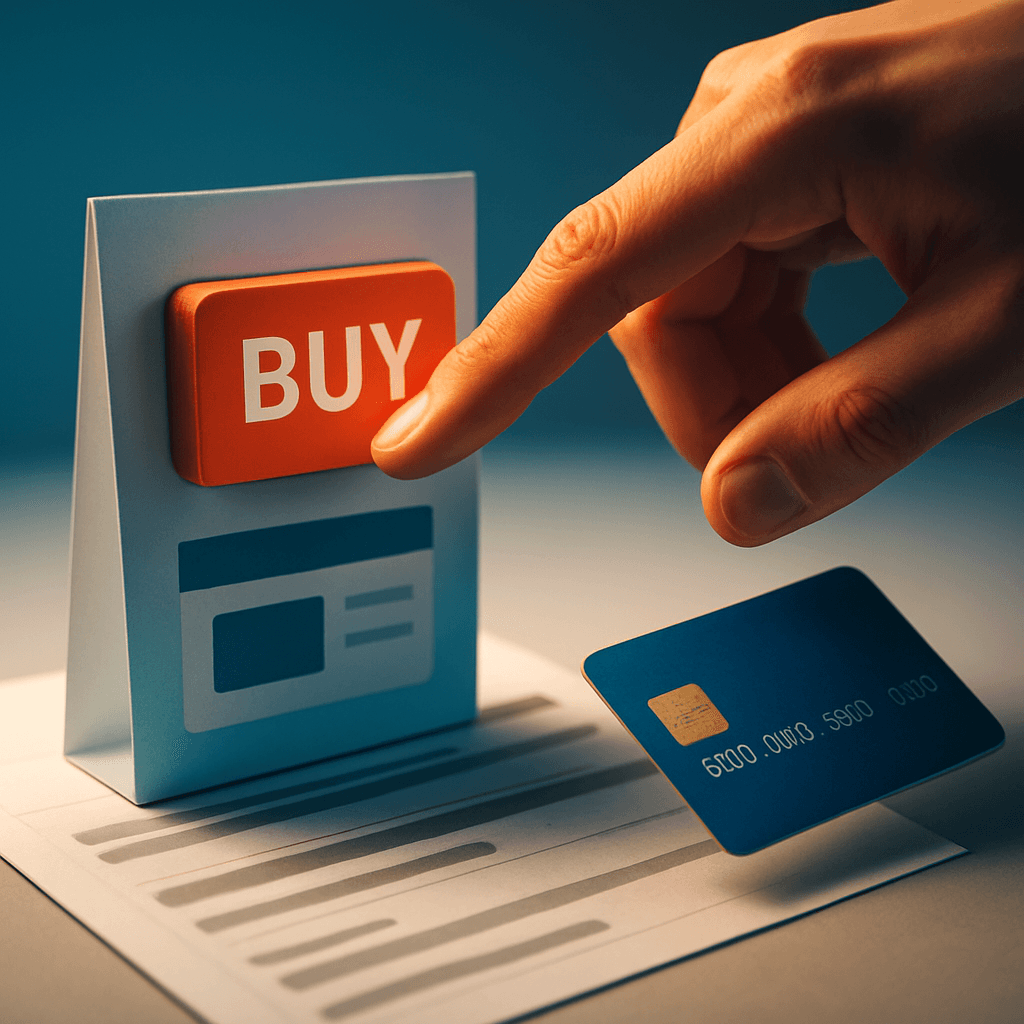
Google rolled out a new way to buy products without leaving search results. The Google UCP checkout feature lets you purchase items directly from product listings using a simple “Buy” button.
This changes how online shopping works. You no longer need to visit a retailer’s website to complete your purchase.
Google UCP Checkout Expands Beyond AI Mode
Google first launched Universal Commerce Protocol (UCP) checkout in February 2026. The feature only worked in Google’s AI Mode interface at launch. Now Google has expanded UCP-powered checkout buttons to regular search results.
The rollout targets specific retailers that support the protocol. Early screenshots show the feature working with major retailers like Wayfair, Shopify, Etsy, and Target.
When you click a “Buy” button in search results, Google connects your saved payment information directly to the retailer’s system. The purchase completes without opening a new tab or visiting the store’s website.
How Google UCP Checkout Changes Shopping Behavior
The new Google UCP checkout creates what experts call “zero-click purchases.” You see a product in search results, click “Buy,” and the transaction finishes right there.
This represents a major shift in online shopping patterns. Traditional e-commerce relies on driving traffic to store websites. With UCP, retailers can complete sales without receiving any website visits.
Some shoppers will still want to research products on the actual retailer website before buying. Others will trust Google’s product information and purchase immediately from search results.
The change affects how retailers track customer behavior. Website analytics won’t capture the full customer journey when purchases happen entirely within Google’s interface.
Major Retailers Already Supporting UCP Protocol
Google developed the Universal Commerce Protocol with help from established e-commerce platforms. The initial partner list includes household names across different retail categories.
Shopify provides the infrastructure for thousands of online stores. Their UCP integration means smaller retailers can offer direct checkout from Google search without building custom systems.
Etsy brings handmade and vintage products into the program. Target adds big-box retail presence. Wayfair covers home furnishings and furniture.
More than 20 additional companies have endorsed the protocol. Google expects the feature to expand rapidly as retailers see the benefits of frictionless checkout.
Technical Details of UCP Integration
The Universal Commerce Protocol works with existing e-commerce standards. Retailers don’t need to rebuild their payment systems from scratch.
UCP integrates with Agent2Agent protocols, Agent Payments Protocol, and Model Context Protocol. These connections allow AI systems to communicate with store databases and payment processors.
The system uses your existing Google Pay information for transactions. Retailers receive the same payment data they would from a normal website purchase.
Your purchase history appears in both your Google account and the retailer’s customer database. Returns and customer service work through the retailer’s normal channels.
Impact on Website Traffic and SEO
Google UCP checkout creates a new challenge for retailers. You can generate sales without receiving website visitors or clicks.
Traditional SEO focuses on driving traffic to your site. With UCP, product visibility in search results becomes more important than click-through rates.
Retailers need to optimize their product listings for Google Shopping results where UCP buttons appear. The visibility of these listings directly impacts sales potential.
Some customers will still visit your website to research products, read reviews, or browse related items. The behavior split between direct buyers and researchers will vary by product category and price point.
Measuring Success in Zero-Click Commerce
Standard website analytics miss the full picture when sales happen in Google search results. You see the conversion but not the search behavior that led to it.
Product ranking positions in Google Shopping results become critical metrics. Higher visibility means more impressions for your UCP-enabled “Buy” buttons.
Competitive monitoring takes on new importance. You need to track which competitors appear in the same search results where Google shows purchase options.
Understanding your product visibility in these UCP-enabled search results helps you identify opportunities and threats as the feature expands to more retailers and product categories. ClickRank provides essential monitoring of product ranking positions and competitive visibility in Google Shopping results where UCP buttons appear. The platform helps retailers track their prominence in search results when conversions happen without traditional website clicks.