TL;DR Summary:
Global Expansion: Google’s AI Mode in Search has expanded its localized AI-powered search capabilities beyond English to include Hindi, Indonesian, Japanese, Korean, and Brazilian Portuguese, now available in over 180 countries. This enables users worldwide to interact with AI search in their native languages and cultural contexts.
Advanced AI Technology: Powered by Google’s custom Gemini 2.5 AI model, the system understands user intent, cultural nuances, idioms, and regional preferences rather than merely translating queries, providing contextually relevant and sophisticated responses.
Multimodal and Proactive Search: The integration of text and image inputs allows users to combine visual elements with queries, enhancing discovery and problem-solving. Future developments aim to add proactive features like restaurant reservations and service scheduling, shifting search from information retrieval to task assistance.
Impact on Digital Strategies: Businesses and content creators must adapt by focusing on semantic and cultural relevance in their content and marketing to maintain visibility and engagement, as AI search changes user expectations and how digital presence is optimized globally.
Google’s AI Search Revolution Goes Global: What This Means for Discovery and Growth
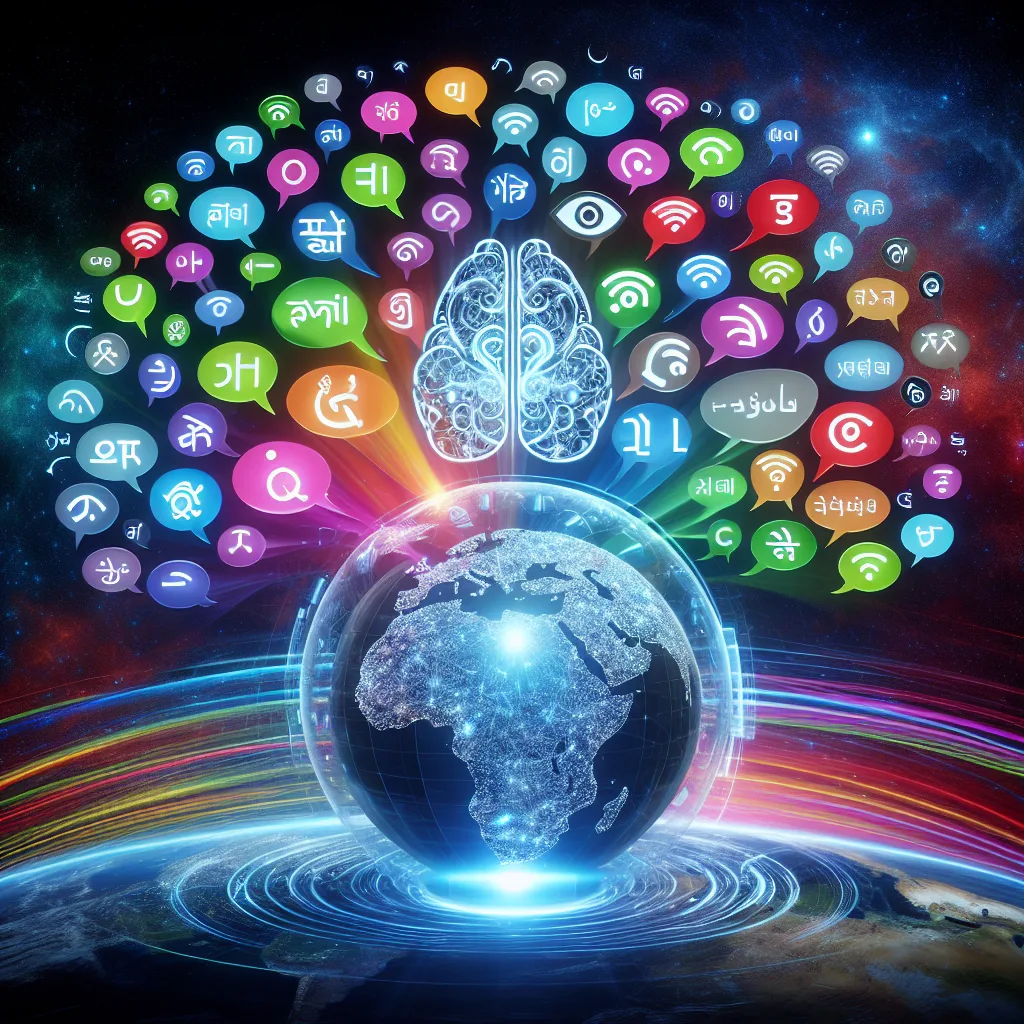
The evolution of search has taken a significant leap forward as Google AI Mode localized search capabilities expand into multiple new languages, moving far beyond its English-only beginnings. This expansion now includes Hindi, Indonesian, Japanese, Korean, and Brazilian Portuguese, marking a fundamental shift in how users worldwide interact with AI-powered search.
The Intelligence Behind Language-Aware AI Search
Powered by the custom Gemini 2.5 AI model, this isn’t merely a translation service – it’s a sophisticated system that comprehends the intent, cultural context, and nuanced meaning behind user queries. When someone in Tokyo searches for academic information or a business owner in São Paulo explores market strategies, they receive responses that reflect their specific cultural and regional context.
Multimodal Search Changes How We Find Information
The integration of text and image inputs creates a more intuitive search experience. Users can now combine visual elements with their queries, opening new possibilities for discovery and problem-solving. A parent in Seoul might upload a photo of ingredients and receive culturally relevant Korean recipe suggestions, while a shop owner in Jakarta could snap a picture of a product display and get localized merchandising recommendations.
Global Reach and Local Understanding
Google AI Mode localized search has expanded to over 180 countries, demonstrating a commitment to global accessibility. The system’s ability to process and understand regional customs, idioms, and preferences means users receive genuinely helpful responses rather than awkward translations or culturally inappropriate suggestions.
Impact on Digital Strategy and Content Creation
This evolution requires a fresh approach to content optimization and digital presence. Success now depends on understanding the semantic and cultural context relevant to each market. Organizations must think beyond simple translation and consider how their content resonates with local audiences through AI-powered discovery.
The Future of Intelligent Search Assistance
As Google AI Mode localized search continues to evolve, we’re seeing early signs of more proactive features, including the ability to make restaurant reservations and schedule local services. This hints at a future where search engines don’t just provide information but actively assist in completing tasks.
Reshaping User Expectations
The traditional model of search results as simple link listings is giving way to intelligent assistance that understands context and provides actionable recommendations. This shift influences how businesses should approach their digital presence and user experience design.
Multimodal Integration and Business Opportunities
Organizations can leverage these advanced search capabilities to create more engaging customer experiences. Combining visual and textual elements in marketing campaigns or e-commerce applications could lead to higher engagement and conversion rates, particularly in markets where visual communication is culturally significant.
Navigation of Traffic and Visibility
While some express concern about AI summaries potentially reducing website traffic, the reality appears more nuanced. The key lies in adapting to these new search patterns and understanding how to maintain visibility in an AI-enhanced search landscape.
Forward-Looking Implementation
The continued expansion of AI-powered search capabilities suggests businesses must remain adaptable in their digital strategies. Success will increasingly depend on understanding and leveraging these advanced search features while maintaining authentic connections with local audiences.
The introduction of sophisticated AI search across multiple languages represents more than just a technological advancement – it’s a fundamental shift in how people worldwide discover and interact with information. As these systems become more refined and widespread, how will businesses adapt their strategies to remain visible and relevant in this evolving search landscape?