TL;DR Summary:
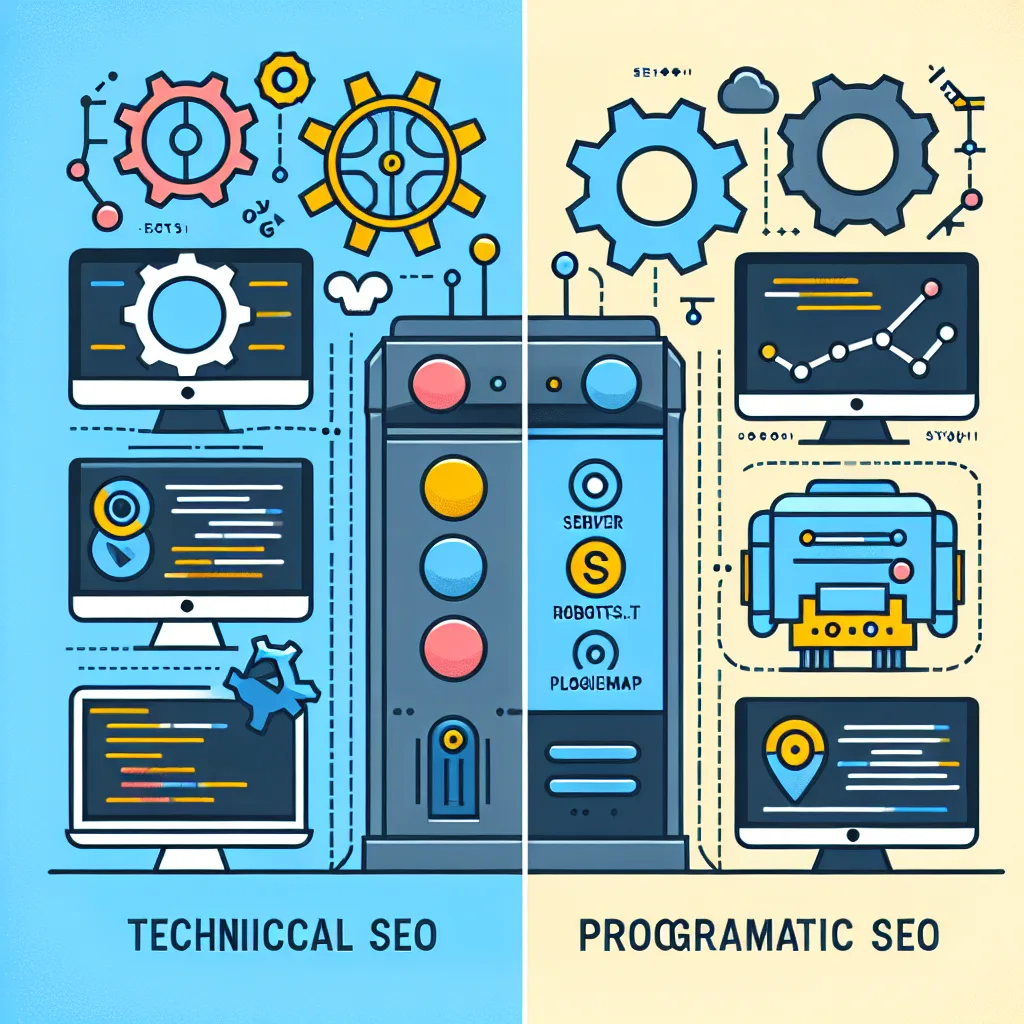
Foundation of Rankings: Technical SEO establishes the infrastructure that allows search engines to properly crawl, index, and understand your website through elements like page speed, mobile responsiveness, Core Web Vitals, structured data, and clean URL architecture.Content at Scale: Programmatic SEO leverages automation and data-driven templates to generate thousands of targeted landing pages that serve specific user queries, particularly valuable for e-commerce platforms and content publishers managing large keyword opportunities.Complementary Success: Technical and programmatic SEO work together as engine and fuel system—technical optimization ensures proper indexing and user experience while programmatic approaches provide the volume of content needed to capture diverse search queries and drive sustainable growth.Technical SEO vs Programmatic SEO: Understanding Two Critical Yet Different Search Optimization Strategies
The evolution of search engine optimization continues to demonstrate how diverse and specialized different aspects of SEO have become. While many focus on content creation and link building, two distinct branches of SEO have emerged as crucial components for modern websites: technical SEO and programmatic SEO.
What Makes Technical SEO the Foundation of Search Success
Technical SEO represents the backbone of any successful search strategy, focusing on the infrastructure and mechanics that allow search engines to properly crawl, index, and understand your website. Think of technical SEO as the foundation of a house – without it being solid, everything built on top becomes unstable.
The scope of technical SEO extends far beyond simple meta tags and XML sitemaps. Modern technical optimization includes complex elements like Core Web Vitals, which measure loading performance, interactivity, and visual stability. These metrics directly impact how search engines evaluate site quality and user experience.
Key technical elements that require constant attention include:
- Page speed optimization across all devices
- Mobile responsiveness and adaptive design
- Proper implementation of structured data
- Clean URL structure and site architecture
- HTTPS security protocols
- Effective handling of JavaScript rendering
- International targeting through hreflang tags
- Implementation of proper canonical tags
Programmatic SEO: Scaling Content Creation Through Automation
While technical SEO focuses on infrastructure, programmatic SEO represents a strategic approach to content creation at scale. This methodology leverages automation and data-driven decisions to generate large amounts of targeted content that serves specific user queries.
Consider an e-commerce platform selling shoes. Rather than manually creating pages for each combination of style, size, color, and brand, programmatic SEO allows for automatic generation of optimized pages based on data-driven templates. This approach can create thousands of valuable landing pages that target specific long-tail keywords.
Successful programmatic SEO implementation requires:
- Deep keyword research and pattern identification
- Development of scalable content templates
- Quality data sources for dynamic content generation
- Systems for maintaining content freshness
- Mechanisms for avoiding duplicate content issues
- Strategic internal linking structures
- Automated quality control processes
How Technical and Programmatic SEO Complement Each Other
The relationship between technical and programmatic SEO resembles that of an engine and fuel system. Technical SEO ensures the engine runs smoothly, while programmatic SEO provides the fuel needed to power growth. One without the other limits potential success.
For example, a perfectly optimized technical foundation becomes underutilized without sufficient content to serve user queries. Conversely, thousands of programmatically generated pages provide little value if technical issues prevent proper indexing or create poor user experiences.
Common Misconceptions About Both Approaches
Many website owners mistake technical optimizations for one-time fixes rather than ongoing maintenance requirements. Similarly, programmatic SEO often gets mischaracterized as simply “automated content generation” without considering the strategic planning and quality controls required.
The reality is that both disciplines require continuous monitoring, adjustment, and refinement. Search engines constantly evolve their algorithms, and user behaviors shift over time, necessitating adaptable strategies for both technical and programmatic approaches.
Implementation Strategies for Different Website Types
Different website categories require varying approaches to technical and programmatic SEO:
E-commerce Platforms:
- Heavy focus on product schema markup
- Automated category and filter page generation
- Dynamic inventory management integration
Content Publishers:
- Emphasis on article structured data
- Topic cluster automation
- Related content generation systems
Local Business Sites:
- Location-based technical optimizations
- Automated location page creation
- Service area content scaling
Measuring Success and ROI
Tracking the impact of technical and programmatic SEO requires different metrics and approaches. Technical improvements often show results through better crawl stats, improved Core Web Vitals, and higher indexation rates. Programmatic efforts typically demonstrate value through increased long-tail keyword rankings and broader search visibility.
Future Developments Shaping Both Disciplines
As search engines become more sophisticated, both technical and programmatic SEO continue to evolve. Machine learning algorithms are changing how content gets evaluated, while new technical requirements emerge regularly. Staying ahead requires understanding not just current best practices but also emerging trends and technologies.
Strategic Planning for Long-term Success
Success in both technical and programmatic SEO requires careful planning and resource allocation. Rather than viewing them as competing priorities, successful websites integrate both approaches into a comprehensive strategy that maximizes visibility while maintaining quality and user experience.
Have you considered how artificial intelligence might transform these two distinct yet interconnected aspects of SEO, and what skills will become most valuable as search optimization continues to evolve?