TL;DR Summary:
Google Pushes AI: Google uses its Halloween search feature to promote AI Mode, turning a seasonal moment into product marketing.Bing Chooses Fun: Bing adds a floating ghost that bursts into candy, offering entertainment without promoting another tool.Different Search Strategies: The contrast shows Google prioritizing AI adoption while Bing focuses on simple, playful user delight.A Sign of Change: Even holiday easter eggs reflect how search engines are blending AI, interactivity, and evolving brand visibility.Why do Google and Bing have Halloween graphics on the search results page right now? Both search engines added Halloween-themed touches to their results around October 30, 2026, and the timing matters because it shows how each company treats a holiday moment differently. The Google & Bing Halloween Search Easter Eggs give you a quick look at how the two companies think about fun versus function in search.
What Google Did With Its Halloween Search Easter Egg
Google’s Halloween easter egg points you toward its AI Mode tool. When you search for Halloween-related terms, Google prompts you to use AI Mode to find a costume. This isn’t a simple animation or visual trick. It’s a nudge toward a product feature. SEO writer Barry Schwartz called this version “boring” in his October 30, 2026 post on X, and the reaction points to a real gap between flashy seasonal fun and functional product marketing. This kind of nudge is part of a much bigger shift toward AI-driven search, and it’s exactly why brands need to pay attention to how they appear across these AI experiences, not just in traditional blue-link rankings. A platform like Nuwtonic SEO is built for tracking that kind of visibility as Google increasingly steers everyday searches toward AI Mode.
What Bing Did With Its Halloween Search Easter Egg
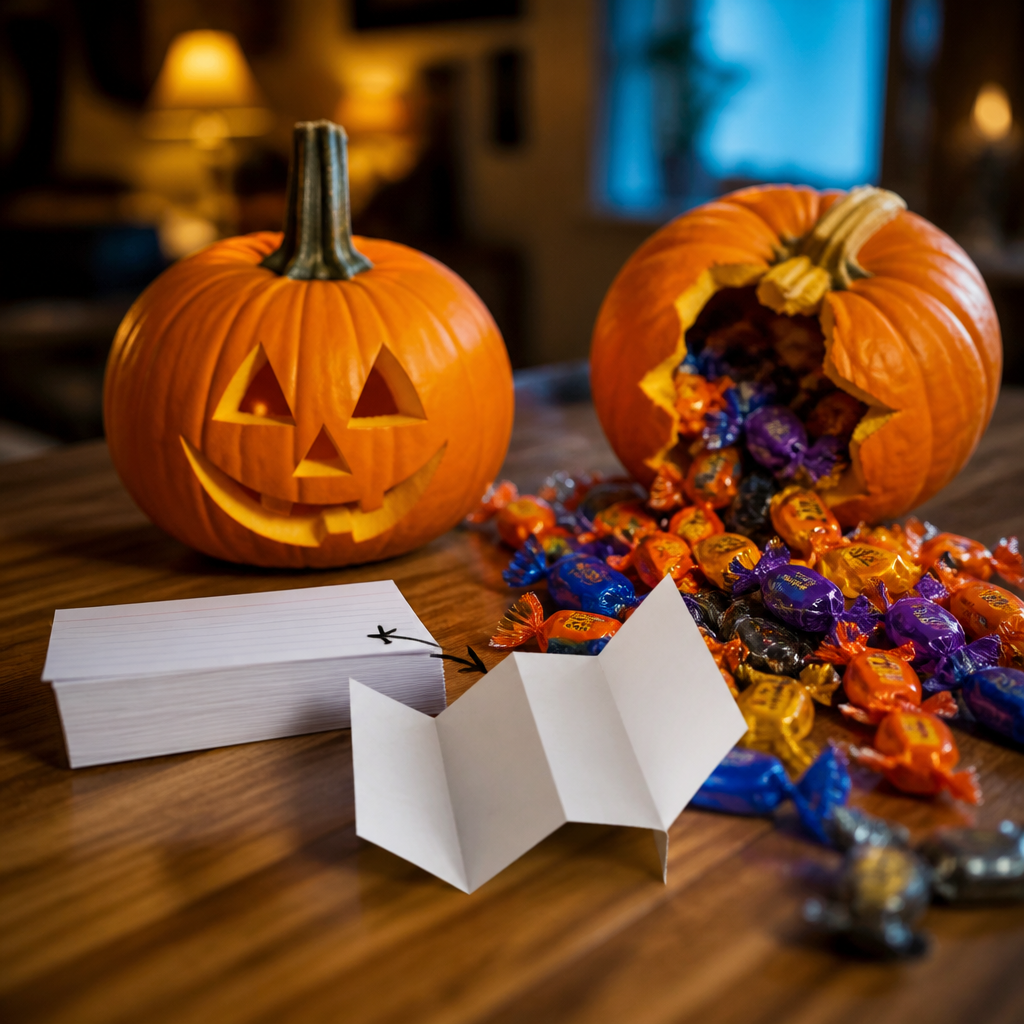
Bing took the opposite approach. A floating ghost appears on the Bing search results page, and when you tap it, the ghost explodes into candy graphics. Khushal Bherwani, posting on X as @b4k_khushal, described this as Bing’s “Halloween Eve touch” on its results page. The feature has no tie to any Bing product or tool. It exists purely to entertain you for a second while you search.
Why the Google & Bing Halloween Search Easter Eggs Differ in Approach
The contrast between the two features tells you something about each company’s current priorities. Google used its Halloween moment to push AI Mode, an AI-assisted search tool, in front of more users. Bing used its moment purely for delight, with no product attached. Neither approach is wrong, but they reveal different strategies. Google treats seasonal search traffic as a chance to promote new tools. Bing treats it as a chance to add a small moment of fun to your day.
What This Means for Your Daily Search Habits
These easter eggs won’t change how you use search long term. However, they do show you how both companies are folding AI and interactive elements into search results more often, even for small seasonal moments. If you search Halloween-related terms on Google before October 31, you’ll likely see the AI Mode prompt. If you do the same on Bing, you may see the ghost graphic instead. Neither feature has expanded beyond this initial rollout, and no further updates have been reported as of October 30, 2026.
Watch for how often these seasonal easter eggs tie back to AI tools going forward. The Google & Bing Halloween Search Easter Eggs this year show one company using a holiday to promote AI Mode and another sticking with pure visual fun. As Google keeps nudging users toward AI Mode even during lighthearted seasonal moments, it’s a reminder that AI search visibility is becoming unavoidable — tools like Nuwtonic SEO can help you track how your brand shows up across these evolving AI-driven search experiences. If you want to see either Halloween feature yourself, try searching Halloween-related terms on both engines before the holiday passes.