TL;DR Summary:
AI Cleanup Boom: Freelance jobs fixing ChatGPT and other AI mistakes have surged fast, with major platforms reporting sharp growth in correction work across text, design, and video.Small Business Pain: The biggest demand comes from small businesses and entrepreneurs who use AI for quick drafts, then discover the cleanup takes far longer than expected.Fixing Costs Add Up: Freelancers say many “small fixes” are almost like starting over, which means clients should budget for real human editing before publishing anything AI-made.Why are companies suddenly paying freelancers to fix work made by ChatGPT or other AI tools? New platform data shows AI slop cleanup jobs have jumped sharply over the past year, and the reason matters if you hire freelancers or work as one. Freelancer.com reported an 87% rise in listings for correcting AI output, reaching 10,760 posts between August 2025 and June 2026, according to the Guardian.
AI Slop Cleanup Jobs Rise Across Three Major Platforms
Freelancer.com’s 87% increase came from listings tagged with terms like “correct AI,” “AI hallucination,” and “AI error.” Upwork reported a separate 70% year-over-year rise in what it calls AI remediation gigs, meaning jobs that repair AI-generated work. Fiverr said searches for “AI cleanup” services grew more than 20 times over between 2023 and 2026. Each company measures something different. Freelancer.com counts job listings, Upwork tracks gigs, and Fiverr looks at search terms. You can’t compare the numbers directly, but all three point the same direction.
Graphic Design Leads The AI Slop Cleanup Jobs Category
Freelancer.com found graphic design topped the list of affected work, followed by video editing, proofreading, and content writing. This tells you the problem isn’t limited to text. Images, video, and written copy all show up in these AI slop cleanup jobs at meaningful volume. If your business uses AI across multiple formats, expect repair costs in more than one area.
Small Businesses Drive Demand For AI Slop Cleanup Jobs
Matt Barrie, CEO of Freelancer.com, told the Guardian that small companies and entrepreneurs often generate a quick AI draft, then run into problems they cannot fix themselves. The time saved during the first pass gets eaten up later. Barrie described the follow-up work as incredibly time-consuming. If you plan to use AI for a first draft, budget for a second round of human work before you publish or sell anything.
Freelancers Say Fixes Take As Long As Starting Over
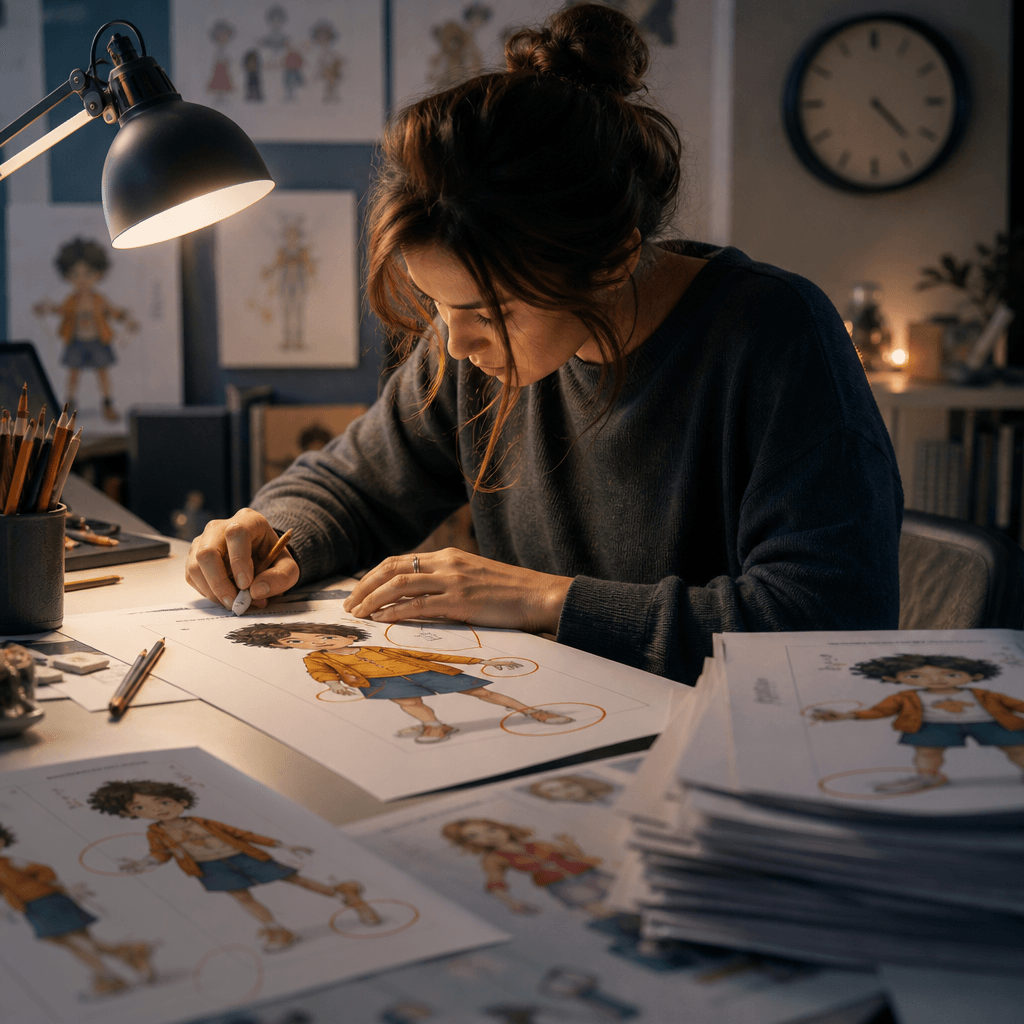
Todd Van Linda, an illustrator in Florida, turned down a job that offered about $500 to fix 13 to 15 AI-generated illustrations for a children’s book, with the client expecting each fix to take 15 minutes. His rate is $65 an hour and doesn’t drop below that. Nathan McConnell, a multimedia editor, said he spent two to three hours in Photoshop on each card of a 100-image AI tarot deck that included extra fingers and mismatched feet. He turns away some jobs entirely. He told one client the work was “too” flawed to save. These accounts show a pattern. Clients budget for a quick touch-up, but the actual AI slop cleanup jobs often require the same hours as building the work from scratch. Cases like the tarot deck highlight a root cause worth addressing before the cleanup stage: image generators that produce anatomically flawed results in the first place. Platforms such as Airbrush, which is built around generating commercially usable images with full rights, target exactly this gap by aiming for cleaner output upfront rather than leaving freelancers to spend hours correcting extra fingers and mismatched limbs after delivery.
How Long This Demand Will Last Remains Unclear
Freelancers disagree on the future. Kym Dunbar, a writer and editor in Australia, expects most of this cleanup work to fade within five to 10 years as AI models improve. Lisa, a graphic designer in Spain, predicts AI will match her skill in logo and packaging design within a year or two. McConnell said AI still needs to be watched closely to catch mistakes an untrained eye might miss. Van Linda stopped taking cleanup gigs late last year and now gets hired directly for hand-drawn work by clients unhappy with AI results. No one interviewed gave a confirmed timeline, so treat these as informed guesses rather than settled fact.
If you’re hiring freelancers to fix AI output, ask for an hourly estimate before agreeing to a flat rate, since the Guardian’s report shows flat-rate expectations often miss the real time involved. If you freelance, watch how clients describe the scope of “quick fixes” before you accept the job. The next few months of platform data will show whether this demand keeps growing or starts to level off as AI tools improve. If AI-generated visuals keep landing in the cleanup pile, the fix may start earlier in the process—tools like Airbrush’s image generator aim to produce cleaner, commercially usable images from the start, potentially reducing the hours freelancers spend fixing hallucinated details after the fact.