TL;DR Summary:
AI Key Risk: WordPress 7.0’s new AI features can expose valuable API keys, creating a fresh target for hackers who want access to paid services like OpenAI, Claude, and Gemini.Plaintext Exposure: A discovered bug shows API keys can appear in browser autocomplete suggestions during setup, putting them at risk on shared screens, shared devices, or compromised sessions.Bigger Security Shift: As AI credentials become high-value assets, site owners need tools that store keys securely, process calls server-side, and treat API access like a serious secret.Are WordPress 7.0 AI API keys safe from hackers?
WordPress 7.0 brings AI features directly into the platform, but security experts warn these new capabilities create serious risks for website owners. The problem lies in how the platform handles AI API keys—the digital passwords that connect your site to expensive AI services like OpenAI, Claude, and Gemini.
WordPress 7.0 AI API Key Exposure Creates New Attack Vector
Security researcher Oliver Sild from Patchstack predicts hackers will rush to exploit WordPress sites specifically to steal AI credentials. The reason is simple: these keys have real monetary value, often worth thousands of dollars in AI usage credits.
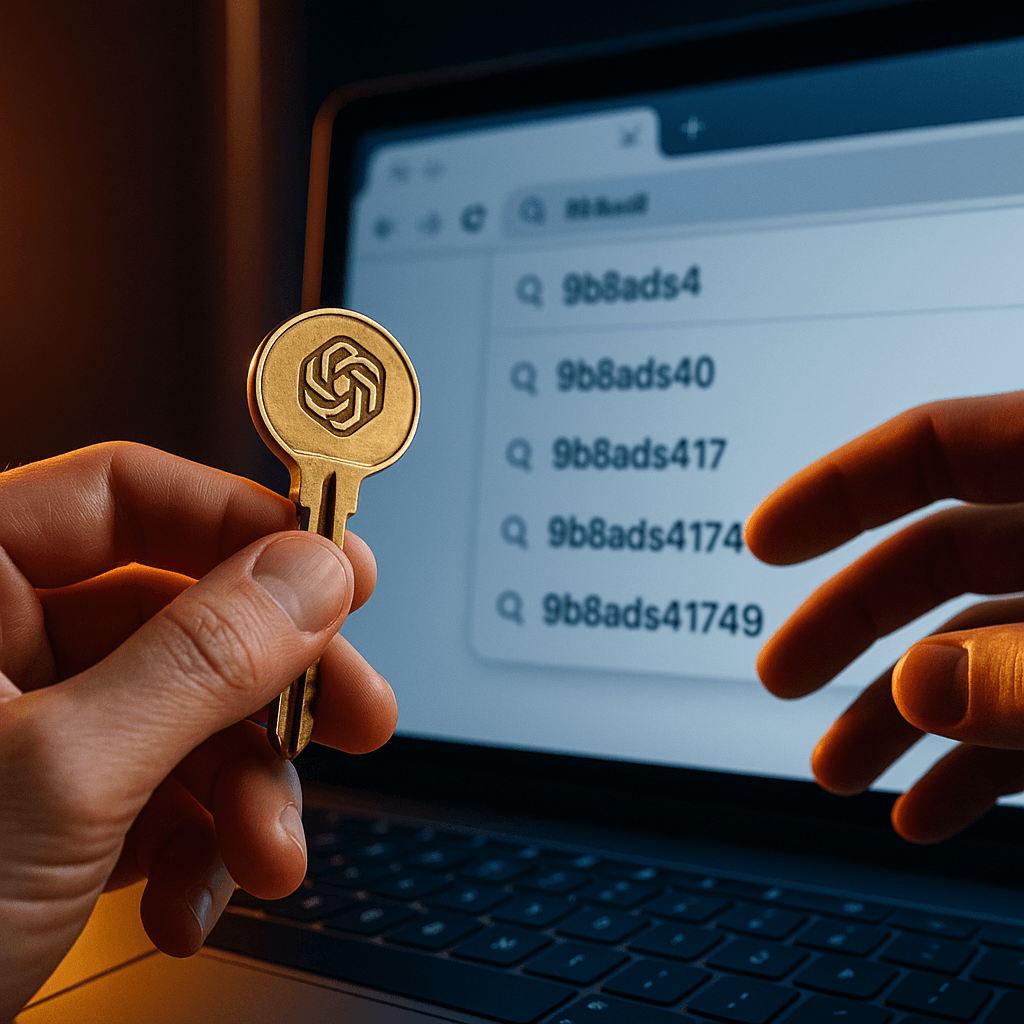
A newly discovered security bug in WordPress 7.0 proves this concern is valid. The AI integration setup form allows browsers to auto-fill API keys, displaying them in plain text in autocomplete suggestions. Anyone with access to your browser session, shared computer, or screen during setup can see these valuable credentials.
The GitHub report explains the vulnerability: “When entering an API key in the integration setup form (Anthropic provider), the API key value appears in the browser autocomplete/autofill suggestion dropdown in plain text. This can expose sensitive credentials to anyone with access to the browser session or screen.”
Why AI API Keys Make WordPress Sites Bigger Targets
AI API keys work differently from typical website passwords. These credentials give direct access to paid AI services that charge per use. Stolen keys can rack up thousands of dollars in charges within hours.
Hackers use stolen AI API keys to power networks of AI bots on social media and dating apps. They run scaled phishing campaigns, generate malware, and conduct thousands of automated conversations with potential victims. The stolen credentials essentially give attackers free access to expensive AI computing power.
WordPress sites without AI integrations were already targets for hackers seeking database access or admin credentials. Now sites using AI features carry an additional valuable asset that makes them worth more effort to compromise.
WordPress 7.0 AI API Key Exposure Highlights Architectural Problems
The core issue extends beyond individual vulnerabilities. WordPress was designed before websites contained monetizable AI credentials or connected to expensive third-party services. The platform’s plugin trust model doesn’t account for these new realities.
Developer discussions on Facebook reveal the scope of the challenge. Once attackers gain database access through any vulnerability, protecting secrets becomes extremely difficult. Plugin vulnerabilities that expose database access or administrator privileges can compromise the entire site, including AI credentials.
Brian Coords from WooCommerce points out the fundamental problem: “Even if you could theoretically hide the keys and connections themselves outside the environment, even the ability to add PHP to a site means you could still include malicious code make the calls from the site itself.”
The Speed of Modern WordPress 7.0 AI API Key Attacks
Hackers are moving faster than ever to exploit vulnerabilities. Patchstack reports that attackers increasingly target the brief window between when a vulnerability is discovered and when site owners update their installations.
This speed matters more with AI-integrated sites because the potential payoff is higher. A successful attack on a site with AI API keys can generate immediate revenue for hackers through stolen AI usage. Traditional WordPress attacks might seek long-term access or gradual data theft, but AI credential theft can be monetized immediately.
Even well-maintained WordPress sites face risks during the update window. Site owners who previously had little to worry about beyond their own data now hold keys to expensive AI services that hackers actively seek.
Secure AI Implementation: What to Look For
As WordPress site owners evaluate AI tools in light of these security concerns, understanding how different solutions handle API credentials becomes critical. The WordPress 7.0 AI API key exposure issue shows why vetting AI integrations matters.
Solutions like WPAutoBlog demonstrate approaches to AI integration that prioritize security alongside automation. The platform automates content creation while implementing safeguards for API key management, including encrypted storage of credentials and server-side processing that prevents keys from appearing in browser autocomplete.
When evaluating AI automation tools for WordPress, site owners should specifically ask vendors how they store API keys, whether credentials are exposed in browser sessions, and what measures prevent unauthorized API usage. WPAutoBlog addresses the specific vulnerabilities discussed by storing credentials securely and processing API calls server-side rather than exposing keys to browser-based attacks.
For site owners concerned about the risks Sild outlined—particularly the theft of AI tokens worth thousands of dollars—choosing AI plugins that treat API credentials as high-value secrets rather than simple configuration options is essential.
WordPress 7.0 Makes Every AI-Connected Site a Valuable Target
The implications extend beyond technical vulnerabilities. Site owners who previously had little sensitive information to protect now hold valuable AI credentials. Even a basic blog using AI for content optimization becomes a target if it connects to paid AI services.
The problem affects site owners differently based on their AI usage. Sites using expensive AI services for content generation, customer service, or data processing face higher risks because their API keys provide access to more valuable resources.
This creates a new category of WordPress security concern. Site owners must now consider not just protecting their content and user data, but safeguarding access to AI services that could cost thousands if compromised.
The WordPress 7.0 AI API key exposure vulnerability represents a broader shift in how we think about website security. AI integration brings powerful capabilities but also introduces new risks that many site owners don’t fully understand. WPAutoBlog provides AI content automation with security measures designed specifically to protect against API key theft and unauthorized usage. Site owners ready to use AI safely should explore how WPAutoBlog handles credentials securely while delivering automated content creation.