TL;DR Summary:
Claude Marks Arrive: Anthropic is adding machine-readable watermarks to Claude output, including text and images, to meet EU transparency rules and make AI-assisted content easier to identify.Detection Is Limited: A visible mark can mean Claude touched the content, but it cannot prove authorship, and missing marks do not guarantee the content is human-written.Search Impact Looms: Google and other platforms have not announced how they will use these marks, but the new infrastructure could affect labeling, ranking, or citation behavior.Track Before It Changes: Content teams should establish a baseline now for search rankings and AI citations so they can spot visibility shifts if platforms start acting on Claude watermarks.Does Google know when content comes from Claude? Anthropic has started adding machine-readable markings to Claude’s output, and the change matters right now because it gives search and AI platforms a new way to identify AI-assisted content. The move behind Claude watermarks AI-generated content stems from the EU AI Act’s Article 50(2) transparency rules, but the effects reach far beyond Europe.
Why Claude Watermarks AI-Generated Content Now
Anthropic built this change to meet the EU AI Act’s Code of Practice on Transparency of AI-Generated Content, under Article 50(2). Claude models launched in the EU on or after August 2, 2026 already carry the markings. Anthropic says it is working to add the feature to models released before that date. The company also plans to publish technical documentation so users and outside parties can detect Claude’s marks. The rule applies across the Claude Platform, the API, Claude Code, Claude Cowork, Claude Tag, and the main Claude experience.
How Claude Watermarks Text and Image Files
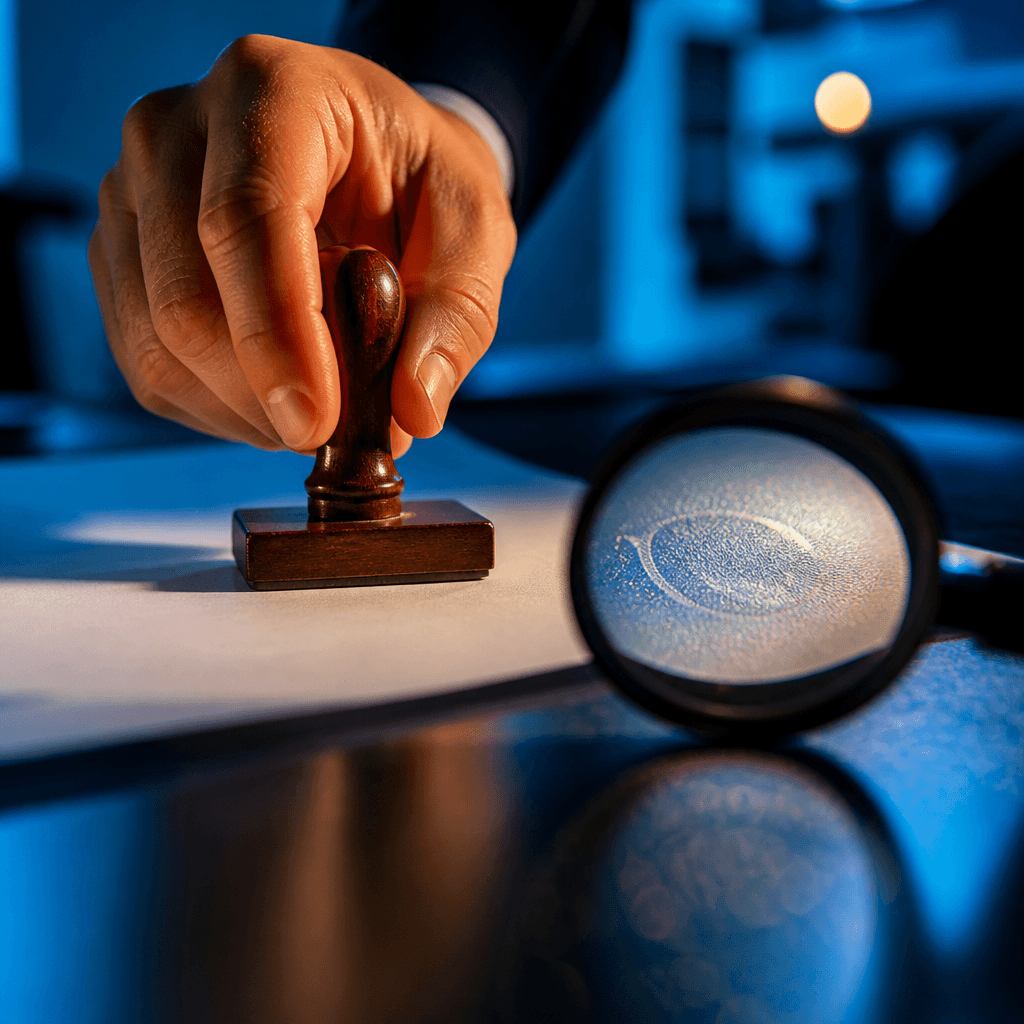
The method depends on what Claude generates. For text, Claude embeds an imperceptible watermark directly into the output. This mark stays with the text when you copy and paste it somewhere else. It doesn’t change the meaning or quality of the writing. For image files, including .svg, .png, and .jpg formats, Claude attaches digitally signed provenance metadata that follows the C2PA standard, a system built by the Coalition for Content Provenance and Authenticity to track where digital content came from. These markings apply everywhere Claude operates, not only inside the EU.
What Claude Watermarks Can and Cannot Prove
A detected mark tells you Claude may have touched the content. It doesn’t tell you Claude wrote it. Anthropic notes that a mark can appear even when Claude only proofread, translated, or summarized text that came from somewhere else. The reverse also holds true. A missing mark doesn’t mean a human wrote the content. The mark can go undetected if the content predates the watermark feature, if you edit or paraphrase it heavily, if the passage is very short, or if file conversion strips out the metadata. This limits how much weight anyone should put on Claude watermarks as proof of authorship.
What Search Platforms Might Do With Claude Watermarks
No major search engine or AI platform has said whether it will use these marks to flag or adjust content visibility. Chris Long raised this point on LinkedIn, noting that machine-readable watermarks could make it easier for platforms like Google to detect content Claude has processed. The infrastructure now exists for that kind of detection. If platforms act on it, you could see anything from a simple disclosure label on search results to a real shift in how that content ranks or gets cited.
What Content Teams Should Track Next
Measure how your AI-assisted content performs today, before any platform makes a decision on Claude watermarks. Track your keyword rankings in traditional search alongside your citation visibility in AI answer engines like ChatGPT, Perplexity, and Google AI Mode. That comparison gives you a baseline. This is exactly the kind of groundwork AI Mentions: See Which Sources AI Cites Over You is built for, since it lets you track how AI-assisted or AI-cited content performs across AI answer engines right now, before platforms settle on how they’ll treat Claude-watermarked content. Watch for any gap that opens up between the two once platforms decide how they plan to treat marked content.
The most useful step right now is building that baseline before any platform policy changes. Once you know how your content performs today, you’ll notice quickly if visibility shifts after search engines or AI tools start reading Claude’s marks. While you build that baseline, tools like AI Mentions can help you monitor exactly how ChatGPT, Claude, and other models cite your content today, giving you a clear before-and-after view once watermark policies take effect. Keep watching for public statements from Google, Bing, or OpenAI on this question, since none have committed to a policy yet.