TL;DR Summary:
A/B Test Results: A dark theme landing page outperformed its light counterpart by 20% in conversions, with lower bounce rates, longer time on page, and higher sign-ups reaching 95% statistical significance after two weeks of identical traffic.Reasons for Dark Theme Success: Tech-savvy professionals browsing late at night preferred the dark mode's sharp contrast, standout buttons, improved readability, and premium feel, challenging conventional light theme recommendations.Further Optimizations: Follow-up tests added glowing CTA buttons for 12% more conversions, product videos outperformed images by 15%, vertical forms reduced abandonment, and strategic layouts like value proposition first doubled revenue per visitor.Key Takeaway: Blindly following design best practices ignores audience-specific preferences; systematic A/B testing of extremes like dark vs. light, even against "safe" choices, uncovers breakthroughs and cuts costs.When Conventional Design Wisdom Gets Crushed by Real Data
A recent A/B test shattered expectations when a dark theme landing page conversion rate demolished its light counterpart by 20%. The bright, airy design that everyone predicted would win? It didn’t even come close.
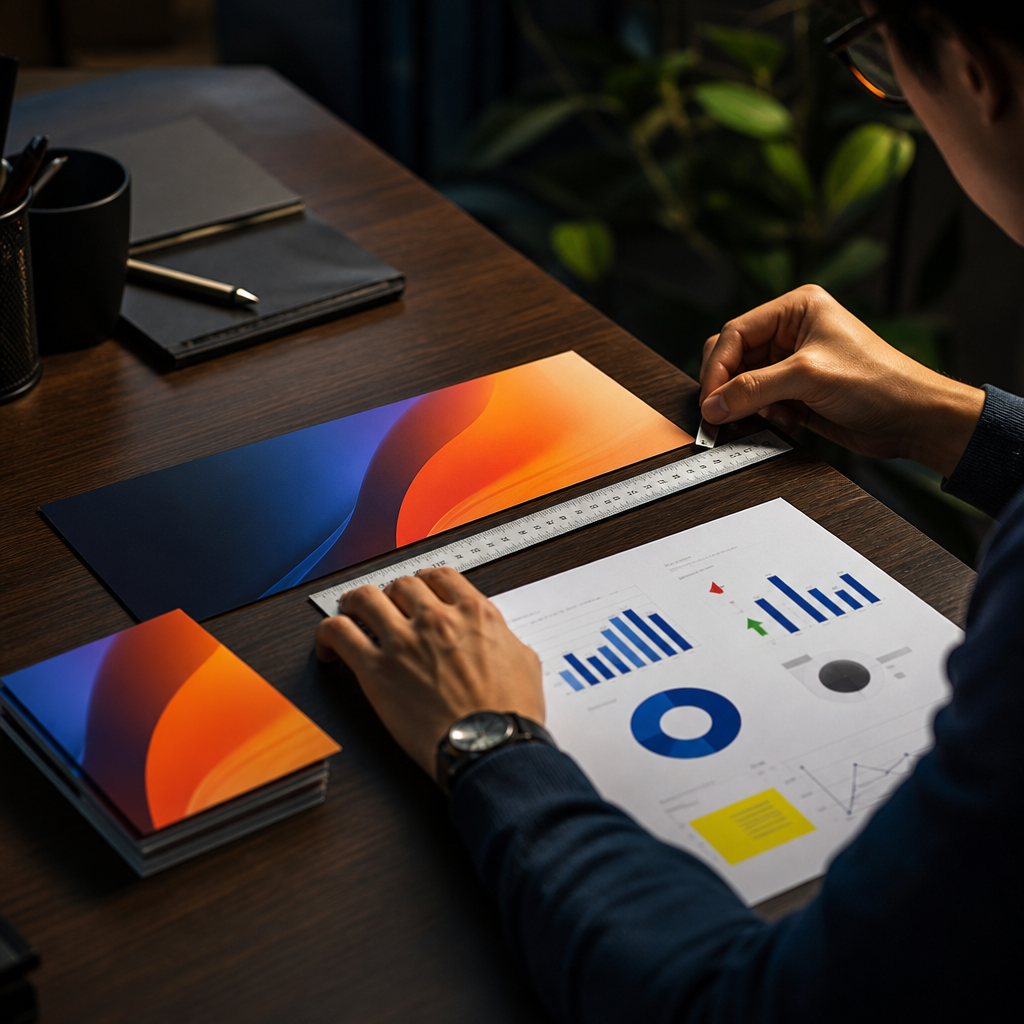
Two identical pages faced off—same copy, forms, headlines, and call-to-action buttons. The only variable: one featured a clean light background with generous white space, while the other embraced dark tones and sharp contrast. After driving identical paid traffic to both versions and tracking actual cost per conversion, the dark page emerged as the clear winner. Bounce rates plummeted, time on page increased, and sign-ups climbed steadily until statistical significance hit 95% confidence after two weeks.
Why Dark Theme Landing Page Conversion Rates Surprised Everyone
Light-themed pages dominate design recommendations because they appear modern and trustworthy while reducing visual fatigue. Yet this test revealed something crucial: the audience of tech-savvy professionals browsing on desktop computers late at night responded powerfully to the dark theme’s focused aesthetic.
The dark background made buttons stand out dramatically, sharpened text readability, and created a premium feel reminiscent of professional software interfaces. Eye-tracking research supports this phenomenon—bold contrasts capture attention faster in content-heavy environments, reducing cognitive load for quick decision-making.
This pattern exposes how blindly following “best practices” can mask audience preferences. Many default to light themes because Google prioritizes mobile speed and clean aesthetics, but desktop traffic from advertisements often behaves differently. Dark themes load just as quickly when properly optimized and help pages stand out among competitors using predictable pastel designs.
The Hidden Power of Visual Isolation Testing
A follow-up experiment paired the winning dark background with glowing accent-colored call-to-action buttons, pushing conversions up another 12%. This demonstrates the importance of testing visual elements individually while measuring comprehensive results.
Proper test execution requires hypothesis-driven thinking, not guesswork. Heat map data from existing pages reveals where attention actually goes versus where designers assume it lands. If visitor focus drifts away from bright hero sections, testing a dark alternative makes strategic sense.
Tools like Optimizely or VWO handle 50/50 traffic splits automatically, but monitoring ad performance remains critical since mismatched creative assets destroy results. Variables must stay locked—identical URL parameters, form fields, and even microcopy—because changing multiple elements simultaneously makes identifying the true winner impossible.
Beyond Color: Stacking Tests for Compound Gains
The dark theme landing page conversion success opened doors for additional optimization layers. Hero images comparing product close-ups against lifestyle photography revealed another insight: the dark page featuring a subtle product demonstration video outperformed static images by 15%. Motion elements create engagement without overwhelming visitors.
Form optimization delivers substantial returns too. Vertical layouts consistently beat horizontal arrangements by reducing abandonment rates. Removing optional fields like “company name” can generate immediate 50% improvements, as demonstrated in travel booking studies. These micro-adjustments compound when layered strategically.
Layout patterns matter enormously. F-pattern scanning works best for text-heavy pages, while Z-patterns suit visual content. Testing sidebar call-to-actions against full-width options reveals how distractions impact mobile conversion rates differently than desktop performance.
When Dense Design Beats Minimalism
The minimalism-versus-density debate isn’t black and white. Clean designs build trust effectively, but information-rich dark pages with strategic icon placement convert impulse buyers at higher rates. One campaign doubled revenue per visitor by reordering page sections: value proposition first, social proof in the middle, sticky call-to-action at bottom.
Theme selection should align with usage patterns. Light themes suit daytime business-to-consumer funnels, while dark themes evoke focus for business-to-business software tools. The key lies in matching visual tone to audience expectations and behavioral context.
Seasonal and demographic factors influence these preferences too. Professional audiences working extended hours often find dark interfaces easier on their eyes, explaining why the dark theme landing page conversion rates exceeded expectations so dramatically.
Turning Failed Tests Into Strategic Gold
Negative test results contain valuable intelligence about visitor repulsion factors. A “losing” variant might reveal that excessive white space signals emptiness or bland light themes blend into background noise. Documenting every test—hypothesis, metrics, and winner—in accessible formats prevents repeating mistakes and builds institutional knowledge.
High-traffic pages deserve testing priority since they offer the fastest path to meaningful results. Lower-performing pages can benefit from quick wins like call-to-action color adjustments or headline modifications before investing in comprehensive redesigns.
The most successful approach involves testing opposite extremes: light versus dark, static versus video, dense versus sparse layouts. Tracking cost per lead through the entire funnel provides more accurate success measurement than click-through rates alone.
What Your Safe Design Choices Cost You
Visual elements shape credibility judgments within seconds—research shows 75% of trust assessments happen at first glance. This makes design choices far more consequential than many realize. Conforming to generic templates ignores audience-specific preferences that could dramatically improve performance.
The dark theme landing page conversion victory demonstrates how challenging assumptions leads to breakthrough results. Pages converting at 2% can reach 5% through systematic testing, effectively cutting advertising costs while improving lead quality.
Your current “safe” light-themed pages might be silently hemorrhaging potential conversions to bolder alternatives. The only way to know involves testing what feels uncomfortable or contrary to standard advice. Sometimes the unconventional choice delivers exactly what your specific audience craves.
What if your most trusted design assumptions are actually costing you thousands in lost revenue each month?