TL;DR Summary:
Ranking Volatility: The Google May 2026 core update is causing major swings in search rankings, with sharp shifts starting in late May and surging again on June 2.Quality Rebalance: Google says the update is meant to better surface relevant, satisfying content, which means sites are being re-evaluated on quality, relevance, and authority.Traffic Winners and Losers: Some sites saw severe traffic drops, while others stayed stable or improved in conversions, showing that ranking changes do not affect every business the same way.What is the Google May 2026 core update doing to website rankings?
The Google May 2026 core update has unleashed another wave of ranking chaos. Site owners watching their traffic numbers are seeing dramatic swings that started in late May and exploded again on June 2nd.
Google May 2026 Core Update Timeline Shows Extended Volatility
Google announced the Google May 2026 core update on May 21st. The company said this was a regular update designed to better surface relevant content for searchers. They warned the rollout would take up to two weeks to complete.
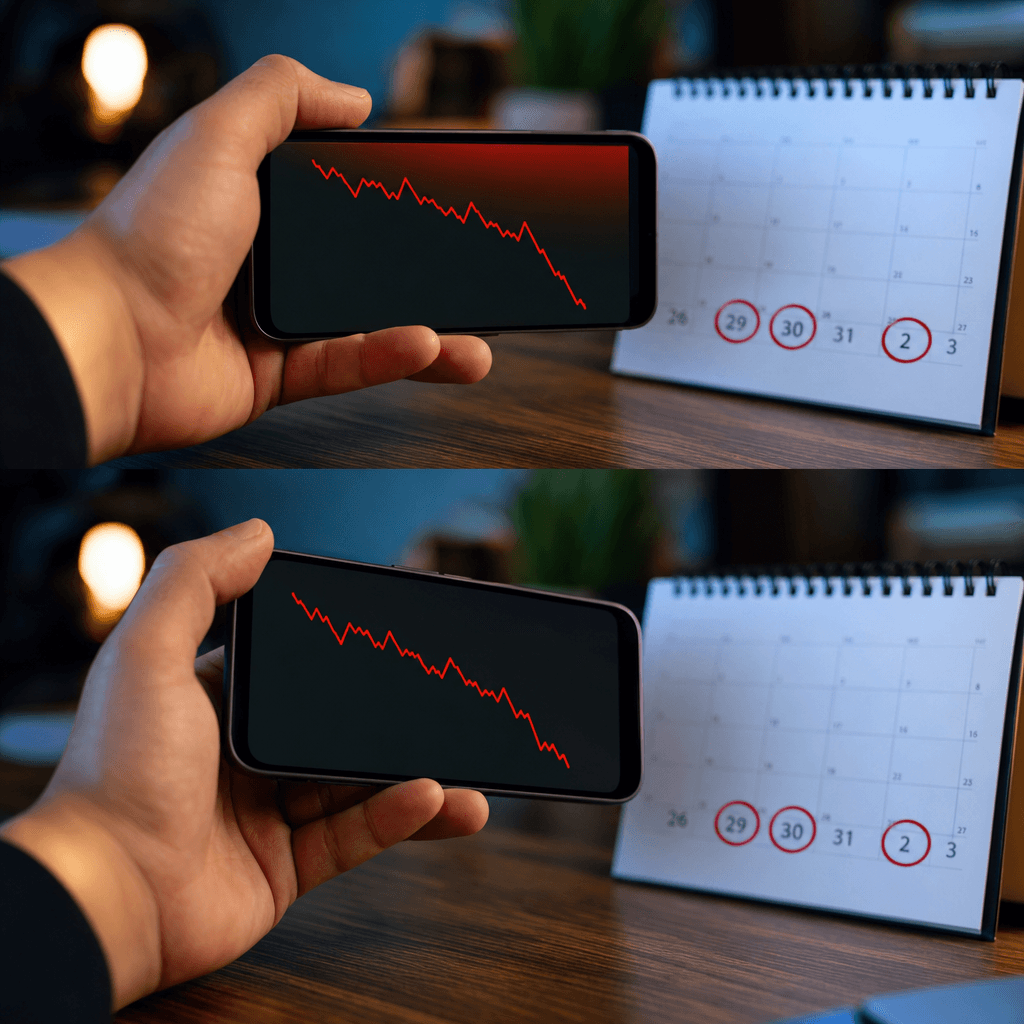
The first major ranking shifts hit over the May 29-30 weekend. Many site owners thought the worst was over. They were wrong.
June 2nd brought another massive spike in volatility. This happened on a Tuesday, which is unusual for Google updates. Most algorithm changes show their biggest impacts over weekends when Google pushes updates.
The update officially finished rolling out about 12 days after it started. But the damage was already done for many websites.
Third-Party Tools Confirm Massive Search Result Changes
Multiple tracking tools captured the volatility from the Google May 2026 core update:
- SEMRush sensors lit up with activity
- Advanced Web Ranking showed significant movement
- Sistrix detected major fluctuations across industries
- Wireboard’s aggregate data confirmed the scale
These tools track ranking positions across thousands of keywords. When they all show high volatility at the same time, you know Google made significant changes to its algorithm.
The tools help identify when updates happen, but they don’t tell you what to do about ranking drops. That requires looking at your actual traffic data.
Site Owners Report Devastating Traffic Losses
The SEO community shared painful stories about this update. One site owner reported a 90% traffic drop in December, followed by another 50% decline during the May update.
Another webmaster described the volatility as “absolutely insane.” These aren’t small ranking adjustments. Sites are seeing their organic traffic cut in half or worse.
But not everyone suffered. One site owner reported strong conversion rates in May despite ranking volatility. Their traffic stabilized at April levels, and revenue actually increased. This shows that ranking changes don’t always translate to business losses.
Why This Google May 2026 Core Update Hit So Hard
Core updates target Google’s fundamental ranking systems. They affect how Google evaluates content quality, relevance, and authority. Unlike smaller updates that tweak specific features, core updates can reshape entire search results.
Google described this update as helping “better surface relevant, satisfying content for searchers from all types of sites.” This suggests they changed how they measure content quality across different website categories.
The extended volatility pattern is unusual. Most core updates show their biggest impact in the first few days, then settle down. This update kept delivering ranking shocks for nearly two weeks.
How to Monitor Real Traffic Impact Beyond Rankings
Ranking tracking tools show position changes, but they don’t reveal the full story. You need to watch your actual visitor behavior to understand what’s happening to your business.
Visitor Tracking helps you see exactly which pages gained or lost traffic during algorithm updates. You can track individual visitor sessions instead of looking at aggregate percentages that hide important patterns.
When rankings drop, you need to know if your conversion rates stayed stable or crashed too. You also need to identify which traffic sources were affected most. This data guides your recovery strategy instead of making you guess what went wrong.
What to Do If Your Site Got Hit
Don’t panic and make sudden changes to your website. Google’s core updates can take weeks to fully settle. Your rankings might recover on their own as the algorithm stabilizes.
Focus on monitoring your actual traffic and conversion data. Look for patterns in which pages lost visibility and which types of visitors stopped coming. This tells you more than tracking keyword positions alone.
Visitor Tracking shows you the complete customer journey from first visit to conversion. During algorithm volatility, this individual session data reveals problems that aggregate analytics miss.
The update targeted content quality and relevance. Review your pages that lost traffic and ask if they truly provide the best answer for searchers. Google’s algorithm changes often reward sites that better match user intent.
Recovery Takes Time After Major Algorithm Changes
Google core updates don’t reverse quickly. If your site lost rankings, you’re looking at months of work to potentially recover. Some sites never return to their previous traffic levels.
The sites that recover fastest focus on genuinely improving their content quality. They don’t try to game the algorithm or find quick fixes. They make their pages more helpful for real visitors.
During this recovery period, tracking individual visitor behavior becomes critical. You need to see which content changes actually improve user engagement and which ones make no difference.
Visitor Tracking provides session-level analytics that show exactly how visitors interact with your pages in real-time, helping you make data-driven improvements rather than shooting in the dark. Start monitoring your visitor behavior today to understand the real impact of algorithm changes on your business.