TL;DR Summary:
New Ad Rules: Microsoft Advertising now requires disclosure for AI-generated, AI-manipulated, and other synthetic ad content across all campaigns on its platform.Disclosure Must Be Visible: Any required AI label has to appear right next to the content, and Microsoft prefers it embedded directly in the image or video itself.No Provenance Tampering: Removing watermarks or metadata, or using prohibited deepfakes and unauthorized likenesses, can get ads rejected or taken down.Do you need to label ads made with AI? Microsoft Advertising says yes, and it published new guidance on September 14, 2026, spelling out when disclosure is required. The Microsoft Advertising AI-Generated Ads Policy now covers AI-generated, AI-manipulated and other synthetic content, and it applies to every advertiser running campaigns through the platform.
What the Microsoft Advertising AI-Generated Ads Policy actually requires
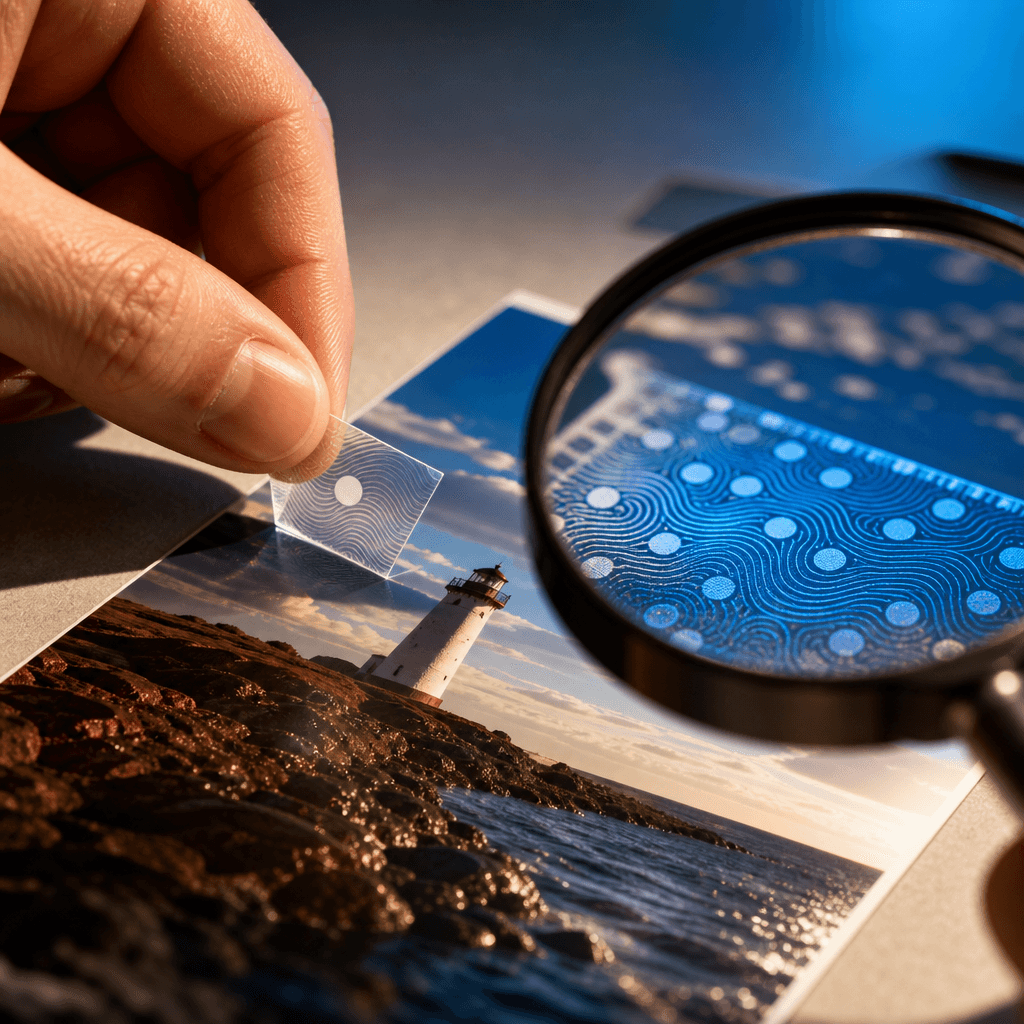
Microsoft Advertising wrote dedicated guidance for advertisers using AI to build or edit ad creative. You have to comply with local laws wherever your campaign runs, including rules on disclosure, consent, and use of someone’s likeness or voice. Microsoft also wants you to keep watermarks and metadata attached to AI-generated files. These are hidden markers that show a file was made or changed with AI. Stripping them out breaks the record of how the content was made, and Microsoft treats that as a violation on its own. Advertisers sourcing visuals from AI generation tools need to know upfront what commercial rights they’re actually getting, since unclear licensing can create the same kind of compliance headache as a missing disclosure. Platforms like Airbrush address this by granting full commercial rights to generated images, which removes one layer of uncertainty before an asset ever reaches an ad campaign.
How disclosure works under the new AI-Generated Ads Policy
When your ad needs a disclosure, Microsoft says it has to sit close to the content it describes, not buried in fine print elsewhere. The company recommends embedding the disclosure directly into the image or video file itself. Advertisers running supported formats can also use Microsoft’s existing ad disclaimer feature to meet this requirement. The goal is simple: a person looking at the ad should see the disclosure without hunting for it.
Where ads get rejected under the Microsoft Advertising AI-Generated Ads Policy
Labeling an ad as AI-generated does not protect it from removal. Microsoft says it will reject, restrict, or take down ads that contain prohibited deepfakes, impersonate real people or organizations, use someone’s voice or image without proper authorization, skip a required disclosure, or tamper with machine-readable provenance data. Provenance data is the embedded record showing where a file came from and what changed. Interfering with it counts as a violation even if the ad itself looks harmless.
Microsoft’s own AI tools and what they mean for your disclosures
Images, audio, and video made with Microsoft’s own AI tools can carry embedded provenance data, metadata, and watermarks that are invisible to the naked eye. Microsoft is direct about the limit here: those hidden signals do not replace a visible or audible disclosure. If your audience can’t see or hear the AI involvement, you likely still need to add your own clear label.
What you should do before your next campaign
Review every AI-assisted asset before you submit it. Check that the people, products, places, claims, and events shown are accurate. Don’t strip metadata or watermarks from AI files, even by accident during editing. Confirm disclosure requirements in each market where your ad will run, since rules differ by country and Microsoft holds you responsible for meeting them all.
Watch how strictly Microsoft enforces the provenance and disclosure rules over the coming months, since enforcement details will shape how much extra work this adds to your workflow. Check your current AI-assisted creative now, before your next campaign goes live, to confirm it meets the Microsoft Advertising AI-Generated Ads Policy. Treat disclosure as a standard step in your production process, not an afterthought you add once an ad gets flagged. If your team relies on AI-generated visuals for campaigns, tools like Airbrush’s AI image generator make commercial usage rights explicit from the start, which pairs well with building disclosure into your production process rather than sorting it out after an ad gets flagged.