TL;DR Summary:
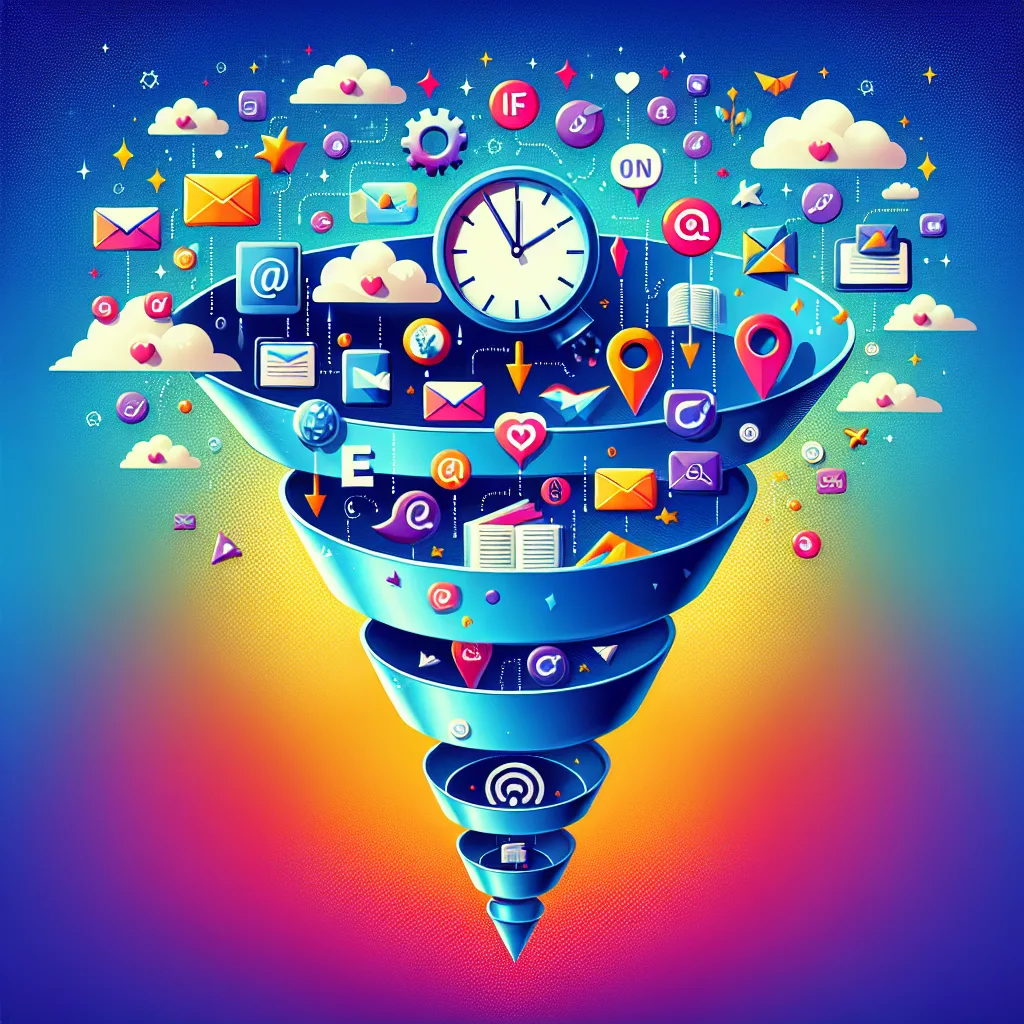
Shift in Consumer Behavior: Traditional linear marketing funnels no longer apply as consumers navigate non-linear, fragmented journeys across multiple channels, devices, and touchpoints over extended periods, influenced by social media, searches, and AI recommendations.Need for Always-On Marketing: Brands must replace sporadic campaigns with continuous, consistent presence that adapts to real-time behaviors, building trust incrementally through integrated multi-channel interactions rather than isolated bursts.Implementation Strategies: Allocate budgets evenly (60% to proven channels, 40% to testing), use data for personalization and timely nudges like targeted offers, create evergreen content, and sequence channels strategically—search for intent, social for awareness, email for nurturing—to avoid fatigue.Measurement and Results: Focus on long-term metrics like engagement consistency, lifetime value, and relationship progression with weekly reviews; real-world examples like Netflix and e-commerce show higher retention and 20-30% better outcomes compared to campaign-only approaches.Consumer behavior has fundamentally shifted. The traditional marketing funnel—where prospects move neatly from awareness to consideration to purchase—no longer reflects reality. Instead, people bounce between touchpoints unpredictably, making decisions over weeks or months through a complex web of interactions that defy linear models.
This evolution demands a strategic overhaul. Sporadic campaign bursts that rely on product launches or seasonal pushes miss the nuanced way modern consumers actually buy. The solution lies in always-on marketing: maintaining consistent presence across multiple channels while adapting to real-time signals and behaviors.
Why Always-On Marketing Matches Modern Buying Patterns
Picture a typical purchase decision unfolding across weeks. Someone discovers your product through a social media video, researches competitors via Google searches, reads reviews on Reddit, receives a free trial and discount offer through email, tests your product, and finally converts after seeing a retargeted ad. Each interaction builds trust incrementally rather than pushing toward immediate action.
This fragmented journey happens because people live multi-device, multi-platform lives. They encounter brands while commuting, working, socializing, and relaxing. AI-powered recommendation engines and voice assistants extend these touchpoints further, suggesting products based on subtle behavioral cues rather than explicit searches.
Traditional campaign thinking treats each interaction as isolated. Always-on marketing recognizes these scattered moments as part of one continuous relationship that requires sustained attention rather than periodic intensity.
Building Your Always-On Foundation
The shift starts with resource allocation. Instead of concentrating budgets around specific launches, distribute spending consistently throughout the year. Dedicate roughly 60% to proven channels like search and email, reserving 40% for testing emerging platforms and formats.
Data becomes your compass. Track search patterns, social engagement, website behavior, and conversion paths to identify when prospects show buying signals. If someone browses your pricing page multiple times, that’s not coincidence—it’s intent waiting for the right nudge. Deploy a targeted free trial and discount offer at that precise moment rather than hoping they’ll remember you during your next campaign push.
Content strategy transforms from event-driven to evergreen. Develop materials that address persistent customer questions and pain points year-round. Blog posts answering common concerns, social media content showcasing real use cases, and email sequences nurturing specific segments create ongoing value that compounds over time.
Orchestrating Multi-Channel Presence Without Overwhelm
The key lies in strategic sequencing rather than simultaneous bombardment. Use search ads to capture active intent, social media to build community and awareness, email for personalized nurturing, and retargeting to maintain visibility without seeming intrusive.
Each channel serves distinct purposes within the broader relationship. Search intercepts people already looking for solutions. Social platforms foster discovery and social proof through shares and comments. Email delivers personalized recommendations based on past behavior. On-site personalization adapts content to individual interests and browsing patterns.
Integration prevents message fatigue while maximizing impact. One core value proposition gets adapted across platforms rather than creating completely different narratives for each channel. Someone who clicks a LinkedIn post about productivity features might later receive an email highlighting time-saving benefits, followed by a retargeted ad showing a free trial and discount offer for the specific tools they researched.
Measuring Success Beyond Immediate Conversions
Always-on marketing requires different metrics than campaign-based approaches. Track engagement consistency, repeat website visits, email open rates over time, and customer lifetime value rather than focusing solely on immediate conversion rates.
Set up measurement systems that reveal relationship progression. Monitor how prospects move between channels, which content types generate the most engagement in different funnel stages, and how long typical buying cycles actually take for your audience.
Weekly reviews work better than monthly campaign post-mortems. Platforms change algorithms frequently, competitor activities shift, and seasonal trends emerge quickly. Regular check-ins allow for tactical adjustments without abandoning overall strategy.
Avoiding Common Implementation Mistakes
Frequency management prevents audience burnout. Use platform-native data and customer feedback to establish optimal contact rhythms. Some segments prefer daily social content but weekly emails, while others engage better with less frequent but more substantial communications.
Personalization depth matters more than breadth. Rather than surface-level customization like inserting first names, segment based on actual behavior and interests. Someone who downloads pricing guides differs from someone who reads case studies—treat them accordingly.
Content quality cannot decrease just because quantity increases. Always-on doesn’t mean always publishing. Maintain editorial standards and strategic focus even while sustaining consistent presence.
Real-World Applications That Drive Results
Consider how subscription services excel at always-on approaches. Netflix continuously personalizes recommendations, suggests new content based on viewing history, and maintains engagement between individual show releases. They don’t wait for major film premieres to communicate with subscribers.
Similarly, software companies that offer ongoing value through educational content, feature updates, and community building see higher retention rates than those that only communicate during renewal periods. They become integral to daily workflows rather than occasional tools.
E-commerce brands implementing dynamic retargeting, personalized email sequences, and social proof integration across touchpoints typically see 20-30% higher customer lifetime values compared to campaign-only approaches.
The transformation requires patience and discipline. Results accumulate gradually rather than spiking dramatically. But brands maintaining consistent, valuable presence across customer touchpoints build stronger relationships, higher retention rates, and more predictable growth patterns than those relying solely on periodic campaign bursts.
How might your current customer acquisition approach change if you mapped out every actual touchpoint in your longest sales cycles rather than focusing only on the final conversion moment?