TL;DR Summary:
Geographic Clarification: Google now separates local inventory ads and free local listings into distinct country lists, resolving previous confusion about where each service operates.Expanded Ads Reach: Local inventory ads are available in 98 countries including major markets and emerging regions, while free local listings work in only 49 countries.Strategic Cost Impact: Retailers in countries with only paid ads must budget for visibility, whereas those in the 49 countries with both options should start with free listings before testing paid campaigns.Where Can I Use Local Inventory Ads and Free Local Listings on Google?
Google just clarified something that matters if you run a store and want people to find your products online. The company separated the list of countries where local inventory ads and free local listings work. Before this update, Google lumped both services together in their documentation. That created confusion because these two features are available in different places.
Why Google Split Local Inventory Ads and Free Local Listings Into Separate Lists
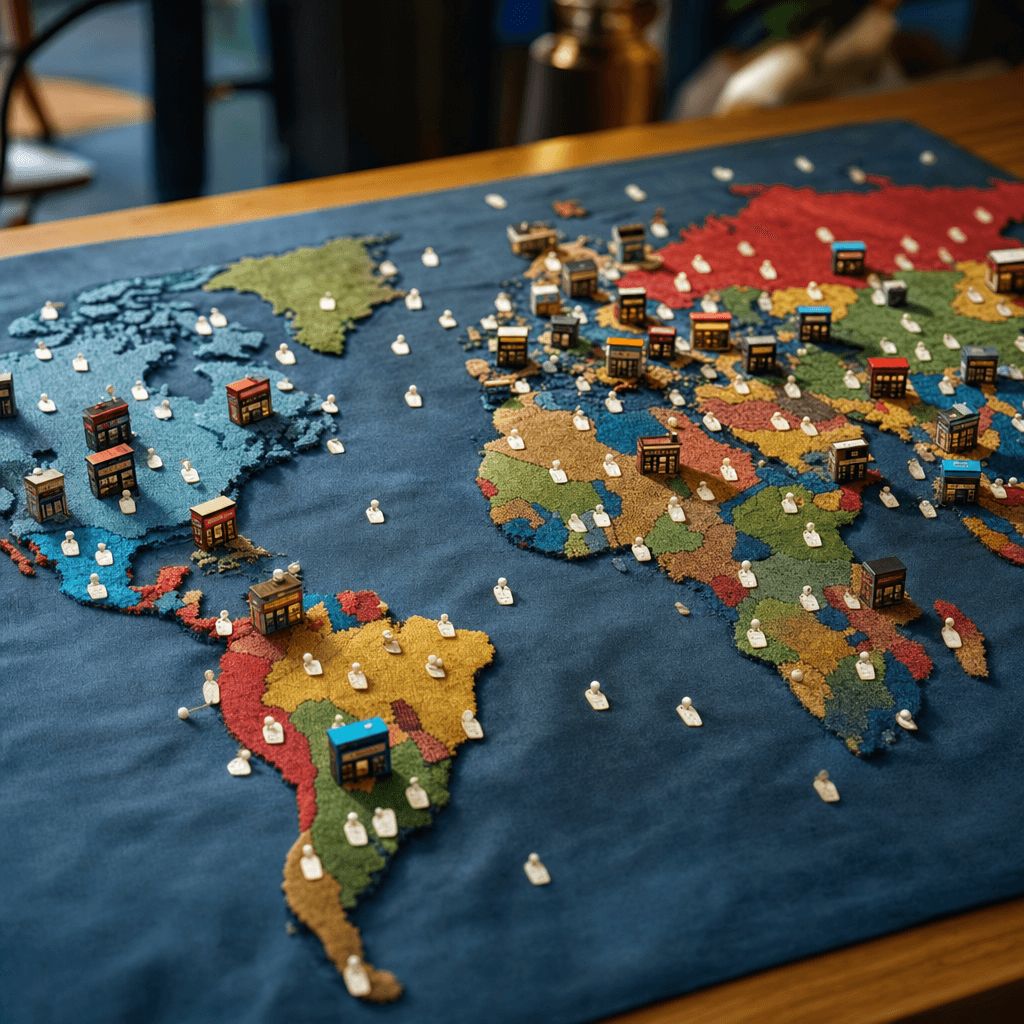
Google updated their help documentation on June 29, 2026 to show exactly where each service works. This change matters because local inventory ads and free local listings operate in different geographic areas. Local inventory ads reach far more countries than free local listings do.
The distinction affects which program you can use based on where your stores are located. If you assumed both services worked everywhere Google mentioned them, you might have missed opportunities or wasted time trying to set up a service that isn't available in your region.
Where Local Inventory Ads Work in 2026
Local inventory ads are now confirmed to work in 98 countries. This includes major markets like the United States, United Kingdom, Canada, Germany, France, and Japan. But the list also extends to places that weren't clearly specified before.
You can use local inventory ads if you have stores in Algeria, Angola, Bangladesh, Belarus, Cambodia, Cameroon, Dominican Republic, Ecuador, Egypt, El Salvador, Ethiopia, Georgia, Ghana, Guatemala, Jordan, Kazakhstan, Kenya, Lebanon, Madagascar, Mauritius, Morocco, Mozambique, Myanmar, Nepal, Nicaragua, Nigeria, Oman, Pakistan, Panama, Paraguay, Senegal, Sri Lanka, Tanzania, Tunisia, Uganda, Uruguay, Uzbekistan, Venezuela, Zambia, Zimbabwe, or Côte d'Ivoire.
The complete list also includes Argentina, Australia, Austria, Bahrain, Belgium, Brazil, Chile, Colombia, Costa Rica, Czech Republic, Denmark, Finland, Greece, Hong Kong, Hungary, India, Indonesia, Ireland, Israel, Italy, Republic of Korea, Kuwait, Malaysia, Mexico, Netherlands, New Zealand, Norway, Peru, Philippines, Poland, Portugal, Puerto Rico, Romania, Saudi Arabia, Singapore, Slovakia, South Africa, Spain, Sweden, Switzerland, Taiwan, Thailand, Turkey, UAE, Ukraine, and Vietnam.
Where Free Local Listings Work in 2026
Free local listings work in 49 countries. This is roughly half the reach of local inventory ads. The service covers most major economies but excludes many of the regions where paid local inventory ads are available.
Free local listings work in Argentina, Australia, Austria, Belgium, Brazil, Canada, Chile, Colombia, Czech Republic, Denmark, Finland, France, Germany, Greece, Hong Kong, Hungary, India, Indonesia, Ireland, Israel, Italy, Japan, Malaysia, Mexico, Netherlands, New Zealand, Norway, Philippines, Poland, Portugal, Republic of Korea, Romania, Saudi Arabia, Singapore, Slovakia, South Africa, Spain, Sweden, Switzerland, Taiwan, Thailand, Turkey, the United Kingdom, Ukraine, the United States, UAE, and Vietnam.
Notice what's missing compared to the local inventory ads list. Countries like Algeria, Bangladesh, Egypt, Kenya, Morocco, Nigeria, Pakistan, and dozens of others can use paid local inventory ads but cannot access free local listings.
What This Geographic Split Means for Retailers
If you operate stores in countries where only local inventory ads work, you need to pay for visibility. You won't have access to the free option that retailers in places like the United States or Germany can use.
This creates a cost barrier in emerging markets where advertising budgets tend to be tighter. A retailer in Lagos, Nigeria or Dhaka, Bangladesh must allocate budget for local inventory ads while competitors in Berlin or Toronto can start with free local listings.
On the other hand, if you're in one of the 49 countries with both options, you should start with free local listings before committing budget to paid ads. Test the free option first to see what traffic and conversions look like.
How to Find This Information in Google Merchant Center
Google added two new sections at the top of their "Local inventory ads and free local listings overview" help document. These sections list the eligible countries for each program separately.
Before this update, you had to dig through support forums or contact Google support to get a clear answer about regional availability. The new documentation removes that friction. You can check your eligibility in seconds instead of spending hours trying to figure out if your location qualifies.
This transparency helps you plan your local commerce strategy with accurate information. You know immediately whether you need to budget for ads or whether you can start with the free option.
The Business Impact of Expanded Local Inventory Ads Coverage
The 98-country reach of local inventory ads opens significant opportunities for retailers in regions where e-commerce infrastructure is still developing. Countries in Africa, Southeast Asia, and South America can now show their in-store inventory to nearby shoppers through Google Search and Maps.
This matters because consumers in these markets often search online before visiting physical stores. They want to know if a product is in stock before making the trip. Local inventory ads solve this problem by showing real-time availability.
For multi-location retailers operating across different countries, you now need to manage which locations use paid ads and which can rely on free listings. A chain with stores in both Nigeria and France would run paid campaigns for Nigerian locations while using free listings in France.
Why Free Local Listings Remain Limited to Fewer Countries
Google hasn't explained why free local listings are available in fewer countries than the paid option. The most likely reason is resource allocation. Supporting free listings requires Google to invest in infrastructure, support, and moderation without direct revenue return.
Paid local inventory ads generate revenue that funds the infrastructure needed to operate them. This makes it financially easier for Google to expand paid features to more markets before rolling out free alternatives.
From a retailer perspective, the distinction means you should lobby Google to add your country to the free listings program if you're currently excluded. More retailers requesting access increases the likelihood Google will prioritize expansion.
Setting Up for Success Across Multiple Regions
If you operate stores across different countries, your approach depends on where each location falls in these lists. Start by auditing which stores qualify for which programs.
Create separate campaigns for locations with only paid access versus those where you can use free listings. Track performance separately so you understand the ROI difference between paid and free programs across different markets.
For locations where you must use paid ads, focus your budget on high-intent keywords where the conversion rate justifies the ad spend. Don't spread your budget too thin across every product if margins won't support the cost per acquisition.
Optimizing Product Content for Local Inventory Programs
Whether you use paid local inventory ads or free local listings, your product data needs to be clean and complete. Google shows your inventory based on the product feed you submit through Merchant Center.
Each product needs accurate titles, descriptions, prices, availability status, and images. The quality of this data directly affects whether Google shows your products to nearby searchers. Poor data quality gets your products rejected or causes them to appear for irrelevant searches.
For retailers managing inventory across dozens or hundreds of locations in multiple countries, maintaining this product data becomes a significant operational challenge. You need unique, optimized content for each location and language combination. Creating this manually for even 50 locations takes months.
If you're trying to compete in markets where local inventory ads and free local listings are available, you need a way to scale your product content creation without hiring a full content team. SEO Generator automates the creation of location-specific landing pages by letting you design one template then generate hundreds of variations across different locations and service combinations. Instead of manually creating content for every store location, you can produce optimized pages for all your locations in minutes. Learn more about how SEO Generator handles multi-location content scaling at scale.