TL;DR Summary:
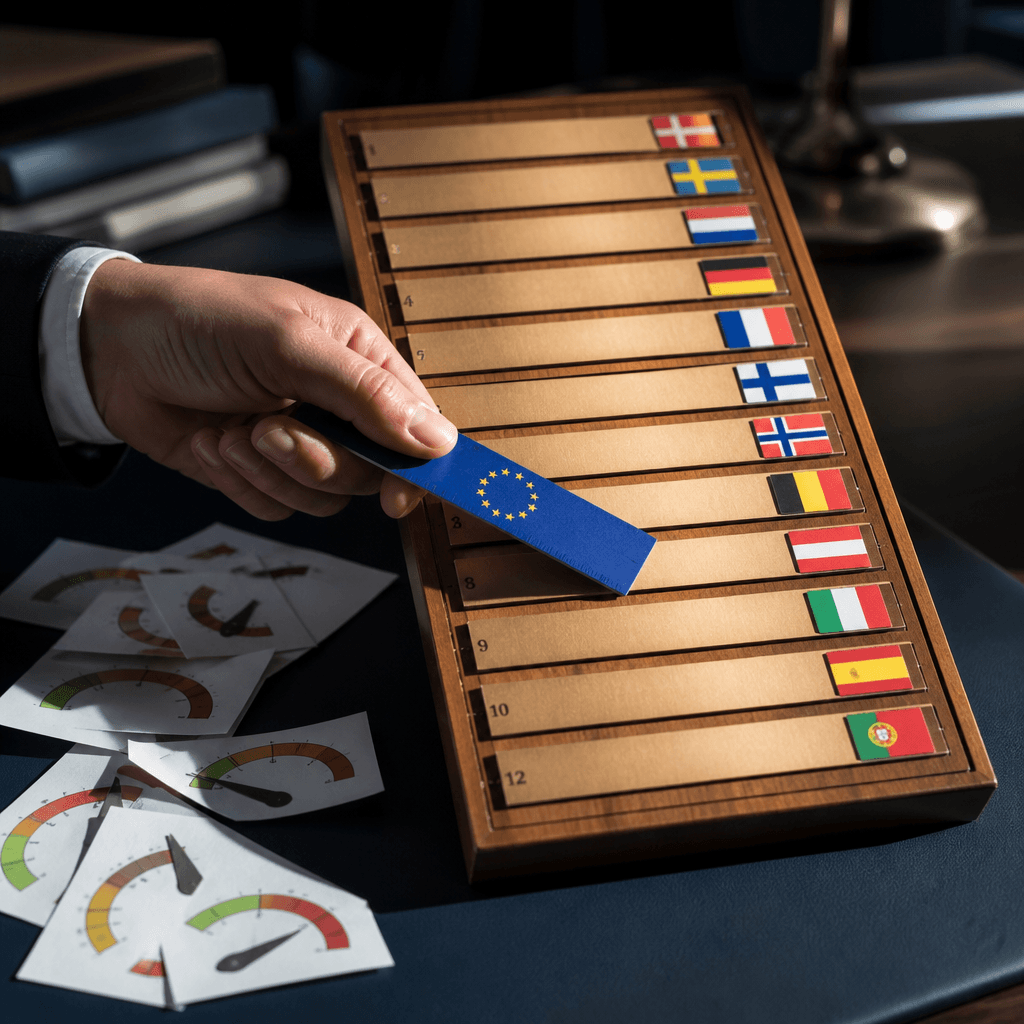
SEO Shouldn’t Pause: The column argues that freezing SEO spending while AI search evolves gives competitors room to take your visibility, trust, and authority. Waiting Costs More: A wait and see approach can create stale content, lost market share, slower recovery, and a bigger rebuild later. Focus on Fundamentals: Keep investing in original content, data, E-E-A-T, and small tests instead of stopping altogether, and watch for trigger events like algorithm shifts or competitor moves.Why a wait and see SEO strategy creates a momentum deficit
Morris compares SEO to a vending machine instead of a bank account. You cannot put in a fixed amount and expect a fixed return on a set schedule. When you stop updating content or auditing your site, your pages get stale. Bots and readers both notice. If you adopt a wait and see SEO strategy now, you may spend far more later regaining the authority you already had.Measuring the real cost of a wait and see SEO strategy
The column points to costs that never show up on a standard dashboard. These include lost market share, longer recovery timelines, and weaker sales pipelines months down the road. Morris recommends estimating the gap in cost and time between doing nothing and staying active, both short term and long term. Without that estimate, a wait and see SEO strategy looks free. It rarely is.Fundamentals over tactics: what to prioritize instead of pausing
Morris says you do not need to chase every new AI optimization trick that circulates in the search community. Instead, focus on original content, data, and E-E-A-T, which stands for experience, expertise, authoritativeness, and trustworthiness, a framework Google uses to judge content quality. Budget time for testing, but keep the fundamentals running underneath it. This is also where staying active rather than freezing matters most: as AI visibility becomes a real ranking factor, tools like ClickRank help confirm your content is actually reachable by AI systems in the first place, rather than assuming your fundamentals work are automatically translating into AI answer engine presence.Using trigger events instead of a full stop
If your SEO budget already got cut or reassigned, Morris suggests watching for what he calls trigger events. These include internal shifts in products or goals, competitor moves, or major algorithm and AI model changes. A trigger event should prompt you to review your tactics and decide whether to hold steady or adjust. This approach keeps you responsive without committing to a full wait and see SEO strategy.Running small experiments instead of freezing entirely
Morris points to data from SEO analyst Lily Ray, who found that some listicle strategies may be backfiring, with certain authors left out of their own industry lists. Morris notes he still sees similar tactics working for a competitor of one of his clients, so the picture is mixed and contested, not settled. His advice: dedicate a small amount of time or money to testing, but do not let those tests replace your core strategy. The main takeaway is that pausing SEO rarely saves money once you count lost visibility and slower recovery. Watch for trigger events like algorithm shifts or competitor changes, and use them to adjust your approach rather than stop it. Keep testing in small ways, but keep your fundamentals running the entire time. As part of staying active rather than pausing, it’s worth checking whether your content is even visible to AI crawlers in the first place—tools like ClickRank can reveal if pages are accidentally blocked from ChatGPT, Claude, or Perplexity before you invest further in fundamentals.Recent Articles
Keyword Research With Claude and Semrush A Full Guide
September 11, 2026 | SEO News Reviews Articles
AI Replacing SEO Consultants: What Gets Lost in the Swap
September 11, 2026 | SEO News Reviews Articles