TL;DR Summary:
AI Background Revolution: Google introduces AI to generate contextual scenes for product images in Shopping Ads, enhancing appeal without changing the product.Small Business Boost: Levels the playing field for retailers by providing high-quality visuals affordably, rivaling big brands.Brand Control Ensured: Human review maintains guidelines, with opt-out option for full creative control.E-commerce Game-Changer: Drives immersive experiences and better ad performance through personalized, AI-enhanced advertising.The Future of Product Ads: AI-Generated Backgrounds
Shopping online has become the norm, and businesses are constantly seeking ways to grab consumers’ attention amidst the clutter of product listings. High-quality images are a game-changer, but they can be costly and time-consuming to produce, especially for smaller retailers. That’s where Google’s latest innovation comes in: AI-generated backgrounds for Shopping Ads.
The AI Advantage
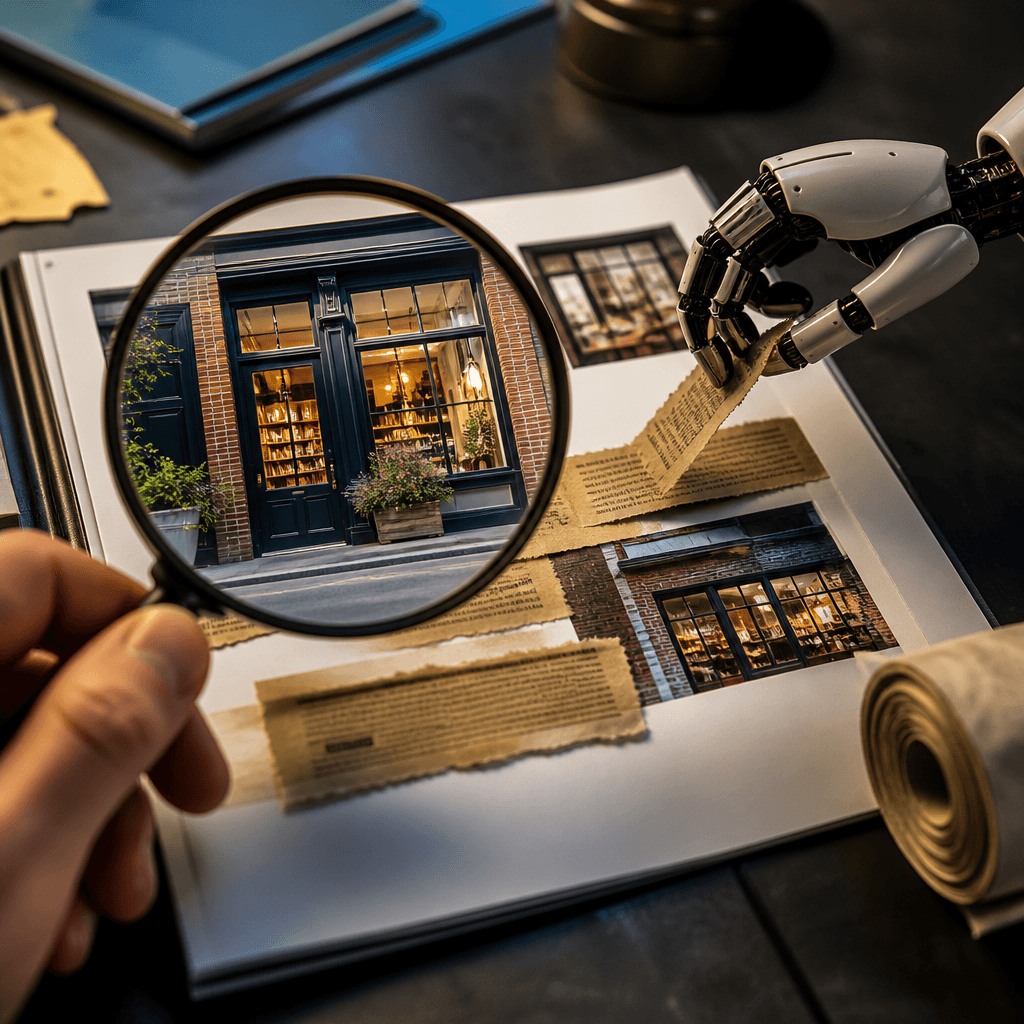
Google’s new AI system is designed to generate contextual background scenes for existing product images without altering the original product appearance. It’s like placing your product in a beautiful, relevant setting that makes it more appealing and helps potential buyers visualize how it would fit into their lives.
Imagine selling a kitchen appliance – the AI might place it in a modern kitchen with matching countertops and cabinets. This not only enhances the product’s presentation but also creates a more immersive and relatable experience for the customer.
Maintaining Brand Integrity
While AI handles the creative work, human oversight is still crucial. Before these ads go live, they undergo a review and approval process to ensure the generated backgrounds align with the brand’s guidelines and overall aesthetic. This step is vital for maintaining the integrity and consistency of the brand’s image.
Leveling the Playing Field
This update represents a significant shift in how product photography can be handled in e-commerce advertising. For smaller retailers who can’t afford professional studio photography, this could be a game-changer. It democratizes access to high-quality product presentation, allowing these businesses to compete more effectively with larger brands.
The Consumer’s Perspective
Product presentation directly influences consumer purchasing decisions. An attractive and contextually relevant image can increase the likelihood of a sale. By automating the enhancement of product images, Google is betting that this will drive better ad performance. But the real question is, how will consumers respond to these AI-generated backgrounds?
Brand Control and Confidence
One concern with AI-generated content is whether it can accurately reflect brand guidelines. Advertisers often lack confidence in AI’s ability to capture the nuances of their brand’s identity. To address this, Google has made it clear that advertisers can opt out of this test if they prefer to maintain complete control over their product imagery.
Enhancing the E-commerce Experience
This move aligns with Google’s broader strategy of integrating AI across its advertising products. It’s part of a larger trend where AI is being used to enhance and automate various aspects of advertising, from ad placement to creative content.
For e-commerce businesses, this means more tools to create engaging and effective ads without the need for extensive resources. It also opens up new possibilities for personalization and contextual advertising, where the background and setting of the product image can be tailored to the specific audience and platform.
The AI Revolution in Advertising
AI is not just about generating backgrounds; it’s about enhancing the entire advertising process. From optimizing ad placement to creating shorter versions of videos at scale, AI is becoming an indispensable tool for marketers.
Google’s Demand Gen platform, for example, is being updated with new channel controls, creative enhancements, and retail-specific features. This includes the ability to precisely choose ad placement across YouTube, Discover, and Gmail, as well as enhanced product feed integration and local inventory display capabilities. These updates are designed to help advertisers create more engaging visual content and better measure its performance.
The Human Touch
While AI can handle a lot of the heavy lifting, the human touch is still essential. Whether it’s reviewing and approving AI-generated backgrounds or ensuring that the overall creative direction aligns with brand values, human oversight is crucial.
This balance between AI and human input is what makes these innovations so powerful. It allows businesses to leverage the efficiency and scalability of AI while maintaining the quality and integrity that only human judgment can provide.
Redefining Authenticity
As AI takes on more creative roles, how will we define the line between automation and authenticity? Will consumers be able to tell the difference between an AI-generated background and one created by a human? And more importantly, will it even matter?
The answer to these questions will shape the future of advertising and e-commerce, and it’s something we should all be watching closely. As we step into this new era of AI-enhanced advertising, one thing is clear: the way we present products online is about to change in ways we never thought possible.
Are you ready to embrace the power of AI in your advertising efforts? Or do you have lingering concerns about the impact of this technology on brand authenticity and consumer trust? Share your thoughts and let’s explore this exciting new frontier together.